
Mt. Juliet New Construction: Soil, Site Prep, and Old Hickory Lake Considerations
Building new in Mt. Juliet means navigating Wilson County permitting, site-specific soil conditions, and TVA shoreline review near Old Hickory Lake. Here is what to expect before ground breaks.
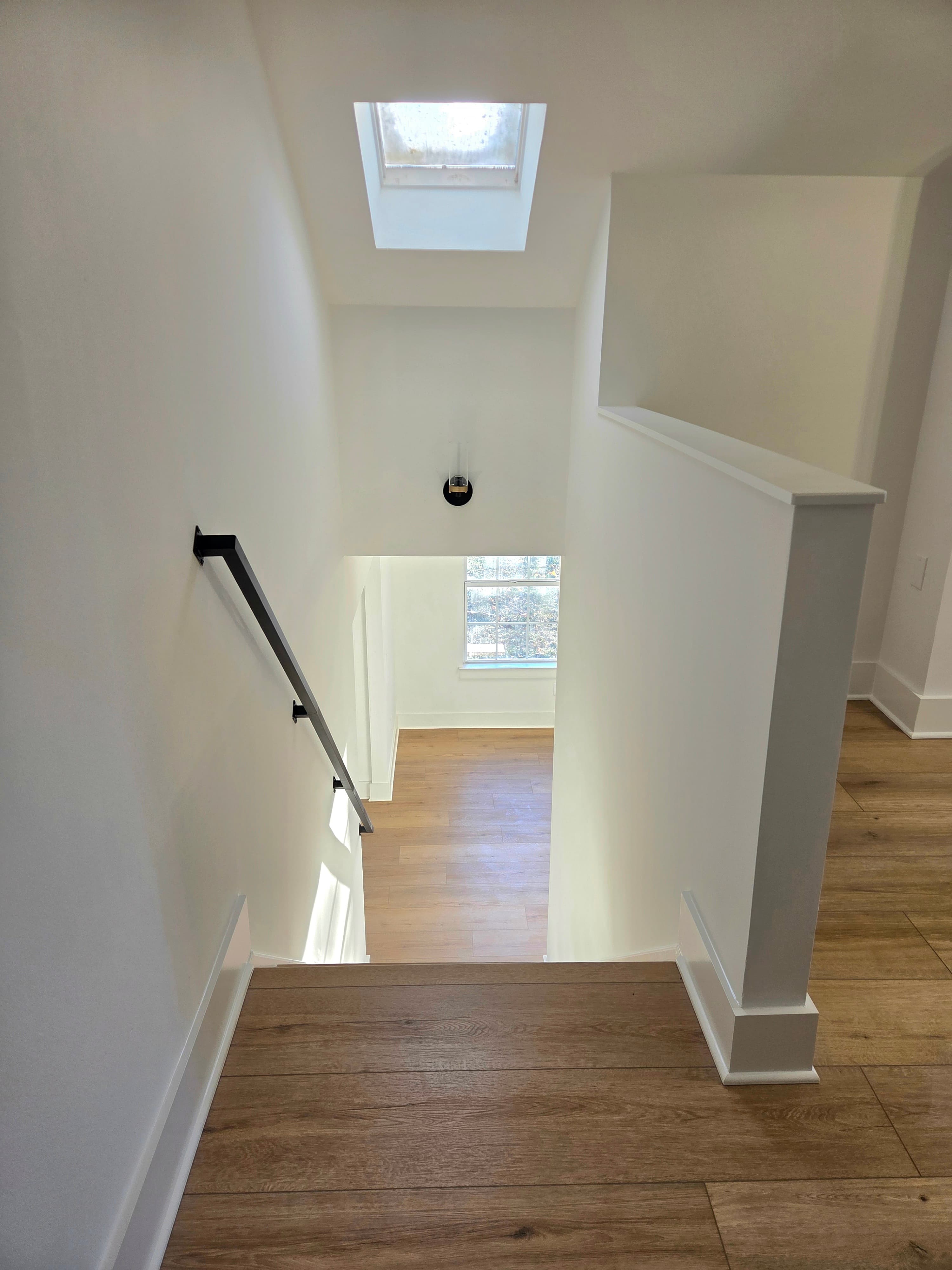
Mt. Juliet has become one of the most active new construction markets in Middle Tennessee, and the reasons are straightforward — Wilson County's growth corridor along Interstate 40 draws buyers who want proximity to Nashville without the density of Davidson County. But building new here is not a simple matter of selecting a lot and pulling a permit. The site conditions, regulatory layers, and lake-adjacent considerations specific to this area require early, coordinated planning before a single machine touches the ground.
Why Site Work Defines the Mt. Juliet Building Process
In many Middle Tennessee markets, site prep is treated as a routine line item. In Mt. Juliet, it deserves its own category of planning. The area contains a mix of cleared residential lots, wooded parcels along creek corridors, and lake-adjacent properties near Old Hickory Lake — each presenting distinct grading and drainage challenges.
Soils in Wilson County vary considerably across short distances. Some lots carry clay-heavy subsoils that require engineered fill or special foundation approaches. Others present karst geology concerns — limestone formations beneath the surface that can affect how a foundation behaves over time. A reputable new construction team will commission a geotechnical report before finalizing a foundation design, not after the fact.
Grading work on sloped lots is common throughout the area, particularly on parcels that back up to Old Hickory Lake or its coves. Improper grading creates long-term drainage problems that affect both the home and neighboring properties. Wilson County's codes require erosion control measures during construction, and inspectors enforce them. Getting this work right upfront is not optional — it is the foundation on which everything else is built.
Wilson County Permitting: What the Process Actually Looks Like
Wilson County operates its own building department, separate from Metro Nashville. For new residential construction, that means permits are issued through the Wilson County Building and Codes office, not Metro Codes. The distinction matters because requirements, review timelines, and inspection scheduling all differ.
A standard new construction permit in Wilson County requires a complete set of construction drawings, a site plan reflecting setbacks and impervious surface coverage, and documentation of any required easements. Depending on the parcel's location relative to flood zones — and Old Hickory Lake creates meaningful FEMA-mapped flood zones throughout this market — an elevation certificate may also be required before a permit is approved.
For properties within incorporated Mt. Juliet city limits, the City of Mt. Juliet handles certain zoning reviews independently of the county. Coordination between those two jurisdictions is something a builder familiar with the local landscape handles as a matter of course. If your team is learning this process on your project, you will feel the delays.
Utility connections — water, sewer, and gas — follow their own parallel tracks. Parts of Mt. Juliet are served by the City of Mt. Juliet Water Authority, while outlying areas may rely on Wilson County's regional water system or require well permits. Confirming utility availability and tap fee structures before closing on a lot can prevent significant budget surprises.
TVA Shoreline Review and What It Means for Lake-Adjacent Lots
Old Hickory Lake is a TVA-managed reservoir, and that federal jurisdiction adds a regulatory layer that many buyers and even some builders overlook until it creates a problem. The Tennessee Valley Authority controls the shoreline to a defined elevation contour, meaning that construction, grading, dock placement, and even landscaping within that boundary requires TVA approval — separate from and in addition to county and city permits.
TVA's shoreline management program evaluates proposed activities based on the type of use and the sensitivity of the surrounding environment. For residential construction near the water's edge, this typically means submitting a Section 26a application, which reviews the impact on navigation, flood control, and shoreline aesthetics. The review timeline varies and is not always predictable.
The practical implications for a buyer building near Old Hickory Lake are significant. Any planned improvements within the TVA boundary — including retaining walls, seawalls, and access structures — require coordinated review before those elements can be included in a construction budget with any confidence. Designing a site plan that treats the TVA buffer as a fixed constraint from the beginning, rather than working around it after the fact, keeps the project on a realistic timeline.
This is one reason that pre-construction planning on lake-adjacent Mt. Juliet projects takes longer than a comparable inland build. That timeline is not a sign of inefficiency — it reflects the regulatory reality of building near a federally managed waterway.
HOA Architectural Review in Mt. Juliet Communities
Many of Mt. Juliet's established neighborhoods and newer developments operate under homeowners associations with architectural review committees. Communities closer to the lake in particular tend to maintain specific standards around exterior materials, rooflines, setbacks from common areas, and site improvements like fencing and outbuildings.
Architectural review adds another pre-construction gate. Plans typically must be submitted to the HOA's committee and approved before the county will receive a permit application — or in some cases, before a buyer can finalize a construction contract with a builder. The review timeline varies by community and committee availability. Some HOAs respond within two weeks; others operate on a longer cycle.
The considerations that commonly arise in Mt. Juliet HOA reviews include:
- Exterior cladding materials and approved color palettes
- Garage orientation and driveway placement
- Maximum building height and impervious surface limits
- Landscaping and tree removal requirements
- Dock and lake-access structure standards for waterfront lots
Working with a builder who understands how to prepare an HOA submittal package — not just a permit set — avoids the back-and-forth that can cost weeks of schedule. Our services are structured to handle these parallel approval tracks as part of organized pre-construction execution, not as afterthoughts.
Soil Conditions and Foundation Planning in Wilson County
Foundation design for Mt. Juliet new construction should not be treated as generic. Expansive clay soils, variable rock depths, and in some areas the presence of subsurface limestone all influence whether a conventional slab-on-grade, crawl space, or basement foundation makes sense for a given site.
A geotechnical investigation — commonly called a soil boring report — is the baseline document that informs these decisions. The report evaluates bearing capacity, moisture content, and subsurface conditions at specific depths. That data drives the structural engineer's foundation design and affects the civil engineering for grading and drainage.
Skipping or delaying this step to save upfront cost routinely generates larger costs downstream. Foundations built on assumptions rather than tested soil data are a common source of warranty and structural claims. An investor-minded approach to new construction treats the soil report as essential pre-construction infrastructure, not an optional line item to be revisited if problems emerge.
Planning Your Timeline Realistically
Mt. Juliet new construction timelines reflect the compounding of multiple approval tracks — Wilson County permits, city zoning review where applicable, TVA review for lake-adjacent parcels, and HOA architectural approval. Each runs on its own schedule and none of them pause for the others.
A realistic pre-construction phase in this market often runs three to five months before a shovel enters the ground, depending on site complexity and the responsiveness of reviewing agencies. That timeline is not wasted time — it is when engineering decisions get made, subcontractors get coordinated, and material lead times get addressed before they become schedule problems.
Buyers who treat the pre-construction phase as a delay to be minimized tend to encounter those same issues as mid-construction surprises, which are considerably more expensive to resolve. Our new construction process is built to move through these phases methodically, keeping decisions aligned across design, engineering, and regulatory review rather than treating them as sequential.
Working with Peerless on Your Mt. Juliet Project
Building new construction in Mt. Juliet requires a team that understands Wilson County's regulatory environment, has working experience with TVA shoreline review requirements, and treats site preparation as a discipline rather than a checkbox. From geotechnical planning and grading design through permit coordination and HOA submissions, every phase affects what comes next.
Peerless Development works across Mt. Juliet and the broader Middle Tennessee region, managing new construction projects from concept through completion with one accountable team and structured communication at every stage. If you are planning a new build — whether on a lake-adjacent lot, a wooded Wilson County parcel, or a lot within an established community — the best time to get into a planning conversation is before you finalize your land purchase.
Reach out through our contact page to discuss your site and project goals. We will give you an honest assessment of what the process looks like before you are committed to a timeline you cannot meet.
Considering a remodel, addition, or new build in Middle Tennessee?
We run residential design-build engagements from concept through completion under one accountable team. Send us a project inquiry and we'll review next steps.
Related Articles
Brentwood Home Additions: Lot Coverage and Setback Realities
Before you add square footage to a Brentwood home, lot coverage limits and setback requirements shape what's possible. Here's how those rules work and how Peerless surfaces them before construction begins.
Remodeling Historic Homes in East Nashville
East Nashville's historic neighborhoods require a precise, process-driven approach to remodeling. Here's what homeowners and investors need to know before breaking ground.
Custom Home Building Timelines in Williamson County
A practical look at the lot-to-completion timeline for custom home builds in Williamson County, including HOA review, permitting, and what to expect at each phase.