
Remodeling Historic Homes in East Nashville
East Nashville's historic neighborhoods require a precise, process-driven approach to remodeling. Here's what homeowners and investors need to know before breaking ground.
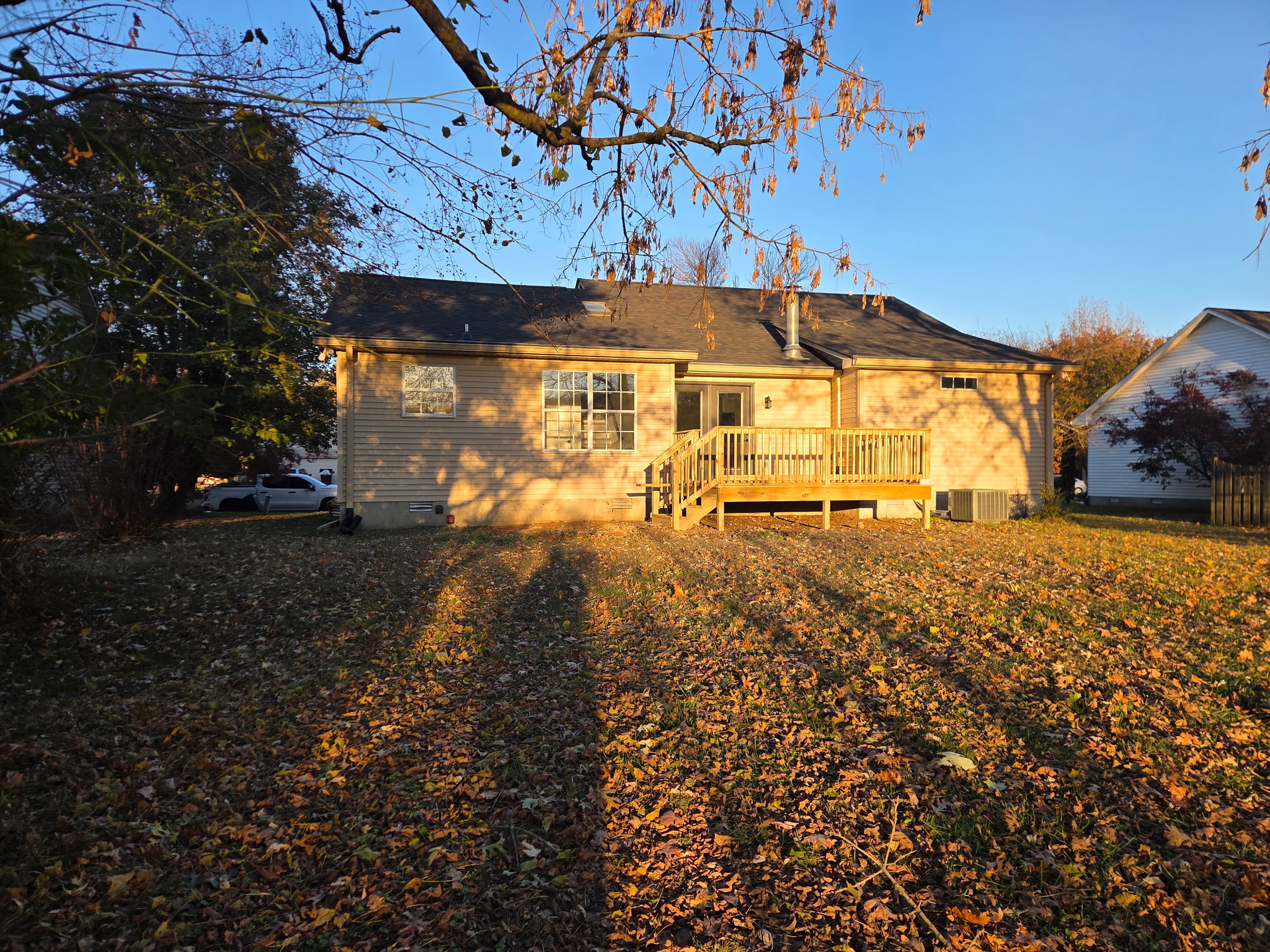
East Nashville draws homeowners and investors who want something older homes in Middle Tennessee do well: character that new construction cannot replicate. But remodeling inside a historic overlay district is a different process than a standard residential renovation. The review requirements, material standards, and structural realities of pre-1940s housing stock all shape how a project needs to be planned and executed from the start.
What "Historic Overlay" Actually Means in Nashville
Metro Nashville administers historic overlay districts through the Metro Historic Zoning Commission (MHZC). When a property sits inside one of these overlays, exterior changes visible from a public way require a Certificate of Appropriateness before Metro Codes will issue a building permit. This is not a rubber-stamp process. The MHZC evaluates proposed work against the Secretary of the Interior's Standards for Rehabilitation and against district-specific design guidelines.
The practical implication: you cannot simply pull a permit and start work. Exterior alterations — including window replacements, siding changes, additions, porch modifications, and in some cases roofing materials — go through a separate review track before any permit is issued. Interior work is generally not subject to MHZC review, but structural changes that affect the exterior envelope still fall under their purview.
For owners who have not navigated this before, the review timeline adds time to pre-construction planning. Getting that sequence right from the beginning prevents costly delays later.
The East Nashville Historic Districts: Edgefield and Lockeland Springs
East Nashville contains two of Nashville's most active historic overlay districts: Edgefield and Lockeland Springs. They are adjacent but governed by their own sub-area guidelines, and the differences matter.
Edgefield is Nashville's oldest suburb, platted in the 1870s. The housing stock ranges from Victorian-era cottages to Craftsman bungalows built through the early twentieth century. The MHZC's Edgefield guidelines emphasize preserving original window patterns, porch configurations, and decorative trim details that define the streetscape. Replacement windows are closely scrutinized — the Commission generally favors wood or aluminum-clad wood units that match original profiles over vinyl, which is not considered appropriate in most cases.
Lockeland Springs, developed primarily between 1900 and the 1930s, carries a similar set of standards but has a high concentration of American Foursquare and early Colonial Revival homes alongside the Craftsman bungalows common throughout East Nashville. The neighborhood's design guidelines place particular weight on maintaining original massing and roofline character. Additions to the rear are generally more approvable than additions that alter the front or side facades visible from the street.
Understanding which district a property falls in — and reading the applicable sub-area guidelines before design work begins — is foundational. A contractor or design-build team that skips this step will lose weeks backtracking once the MHZC review process identifies conflicts.
Pre-1940s Housing Stock: What's Behind the Walls
Historic designation shapes the exterior process. The condition of the structure itself shapes everything else. Homes built before 1940 in East Nashville were constructed under different codes, with different materials, and by methods that modern tradespeople encounter less frequently than they once did.
A few realities that experienced teams account for in pre-construction:
- Knob-and-tube wiring is common in homes from this era and is typically not insurable in its original state. Full or partial electrical upgrades are often required.
- Plaster walls and ceilings are durable when intact but become complicated when plumbing or electrical runs need to pass through them. Repair-grade plaster work requires skilled tradespeople who are less common than drywall crews.
- Balloon framing, used widely before platform framing became standard, affects how structural modifications and fire blocking need to be handled.
- Lead paint and asbestos-containing materials in flooring, pipe insulation, and joint compound are present in many homes of this age and require proper testing and abatement protocols before demolition begins.
- Foundation types vary — pier-and-beam construction is common, and settling over decades affects floor levelness, door and window alignment, and how additions tie into the existing structure.
None of these factors should discourage a well-planned remodel. They do require a team that prices for what it finds rather than what it hoped to find.
Permits, Sequencing, and Coordination with Metro Codes
East Nashville remodeling projects that touch both interior structural work and exterior alterations require two parallel tracks: the standard Metro Codes building permit process and, where applicable, the MHZC Certificate of Appropriateness. These are separate approvals with separate review timelines.
Metro Codes will not issue permits for exterior work in an overlay district without the Certificate of Appropriateness already in hand. This means the design phase needs to produce documentation sufficient for MHZC review — typically drawings, material specifications, and sometimes historic photographs — before the permit application is submitted. Front-loading that documentation work is part of organized execution on historic projects.
For larger scope work — whole-home remodels, significant additions, or projects involving multiple trades across a long timeline — having one accountable team managing both the MHZC coordination and the permit sequencing with Metro Codes is the most efficient structure. Fragmented project management, where an architect handles approvals and a separate contractor handles construction without shared scheduling, creates gaps that slow projects down and drive up costs.
Additions and Alterations: What the MHZC Typically Approves
The MHZC is not opposed to thoughtful additions and updates — the goal is compatibility, not stasis. Rear additions that maintain original rooflines, use compatible materials, and do not alter the primary facade are routinely approved. Detached accessory structures, including garages and ADUs, are also reviewed but can be approved when sited and designed appropriately.
What tends to generate pushback: window substitutions that change the original opening size or profile, synthetic siding installed over original wood siding or cladding, and rooftop additions or dormers that alter the silhouette visible from the street. Mechanical equipment — HVAC condensers, generators — may also require screening if visible from a public way.
The design-build model is well-suited to historic work because it keeps design intent and construction reality in the same conversation throughout. When the team designing the addition is also the team building it, the drawings submitted to the MHZC reflect what will actually be constructed — not an idealized version that gets value-engineered into something different once the permits are issued.
Investment and Long-Term Value in East Nashville
East Nashville's historic neighborhoods have demonstrated consistent demand over the long term. Homes in Edgefield and Lockeland Springs carry premiums over comparable square footage outside the overlay, in part because the overlay itself limits the density and character changes that can erode neighborhood quality over time.
Remodeling in this context is an investor-minded decision as much as a personal one. Scope choices that respect the historic character — preserving original millwork, restoring rather than replacing windows where feasible, using materials appropriate to the period — tend to hold value better than renovations that strip character in favor of a more generic aesthetic. The buyers who seek out these neighborhoods are looking for what makes them distinct.
That does not mean every original element is worth saving regardless of condition. It means the evaluation should be deliberate: assess what is structurally sound and historically significant, and make intentional decisions about what to restore versus what to replace within the parameters the MHZC establishes.
Working with Peerless on Your East Nashville Project
Historic remodeling in East Nashville requires pre-construction rigor that many renovation projects do not. The MHZC review process, the condition realities of pre-1940s housing stock, and the coordination demands of Metro permitting all require a team that plans before it builds.
Peerless Development works with homeowners and investors across Nashville on residential remodeling projects that require this level of structured communication and aligned planning. Our whole-home remodeling services are built around organized execution from the first site assessment through final delivery — including the pre-construction documentation work that historic overlay projects require.
If you are planning a remodel in Edgefield, Lockeland Springs, or elsewhere in East Nashville's historic districts, contact Peerless Development to discuss your project scope and timeline.
Considering a remodel, addition, or new build in Middle Tennessee?
We run residential design-build engagements from concept through completion under one accountable team. Send us a project inquiry and we'll review next steps.
Related Articles
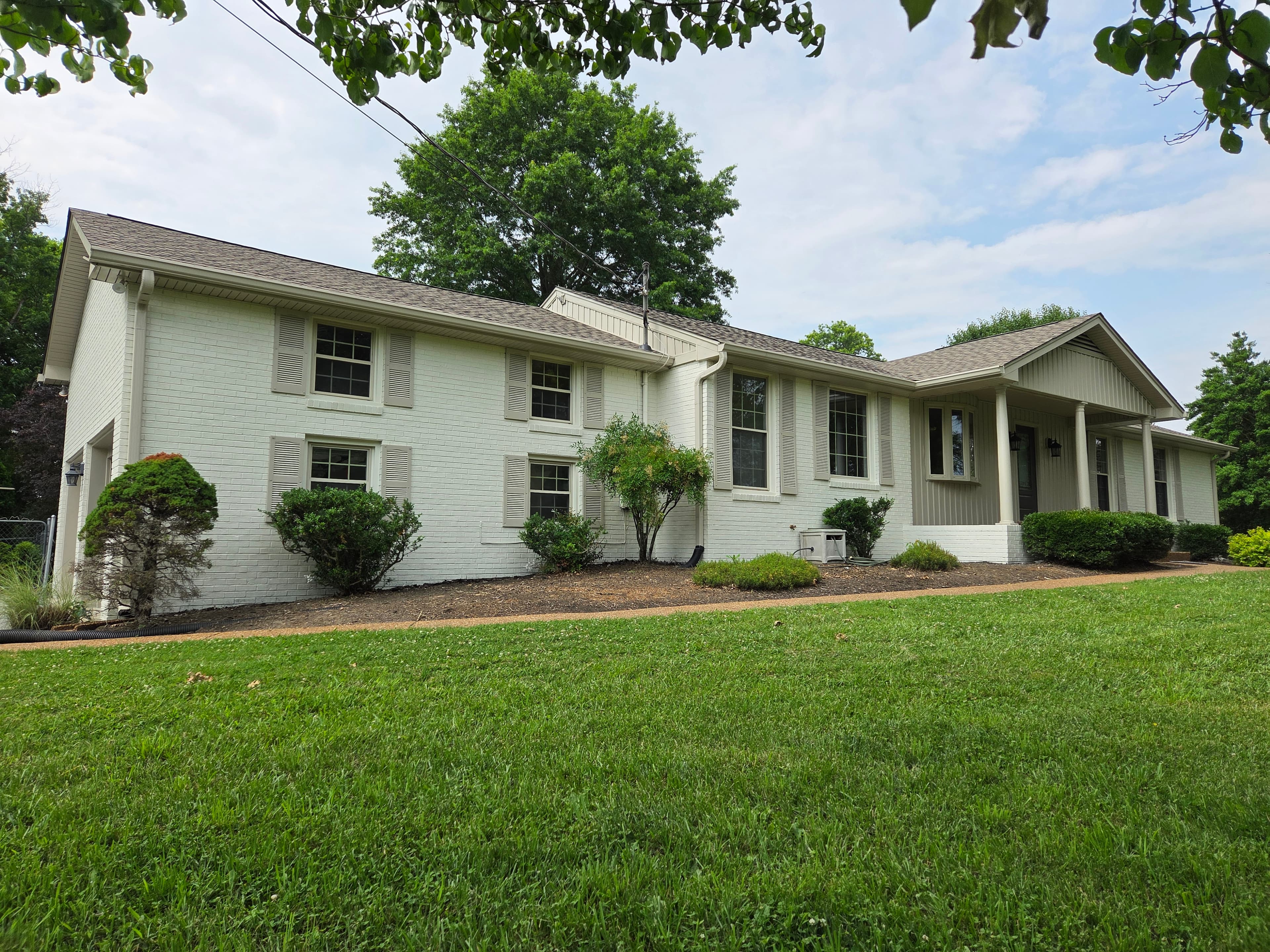
Building and Remodeling in Franklin's Westhaven: HOA, Design Review, and Schedule
Planning a construction or remodeling project in Westhaven, Franklin? Here's what the HOA architectural review process actually looks like — and how it affects your schedule.
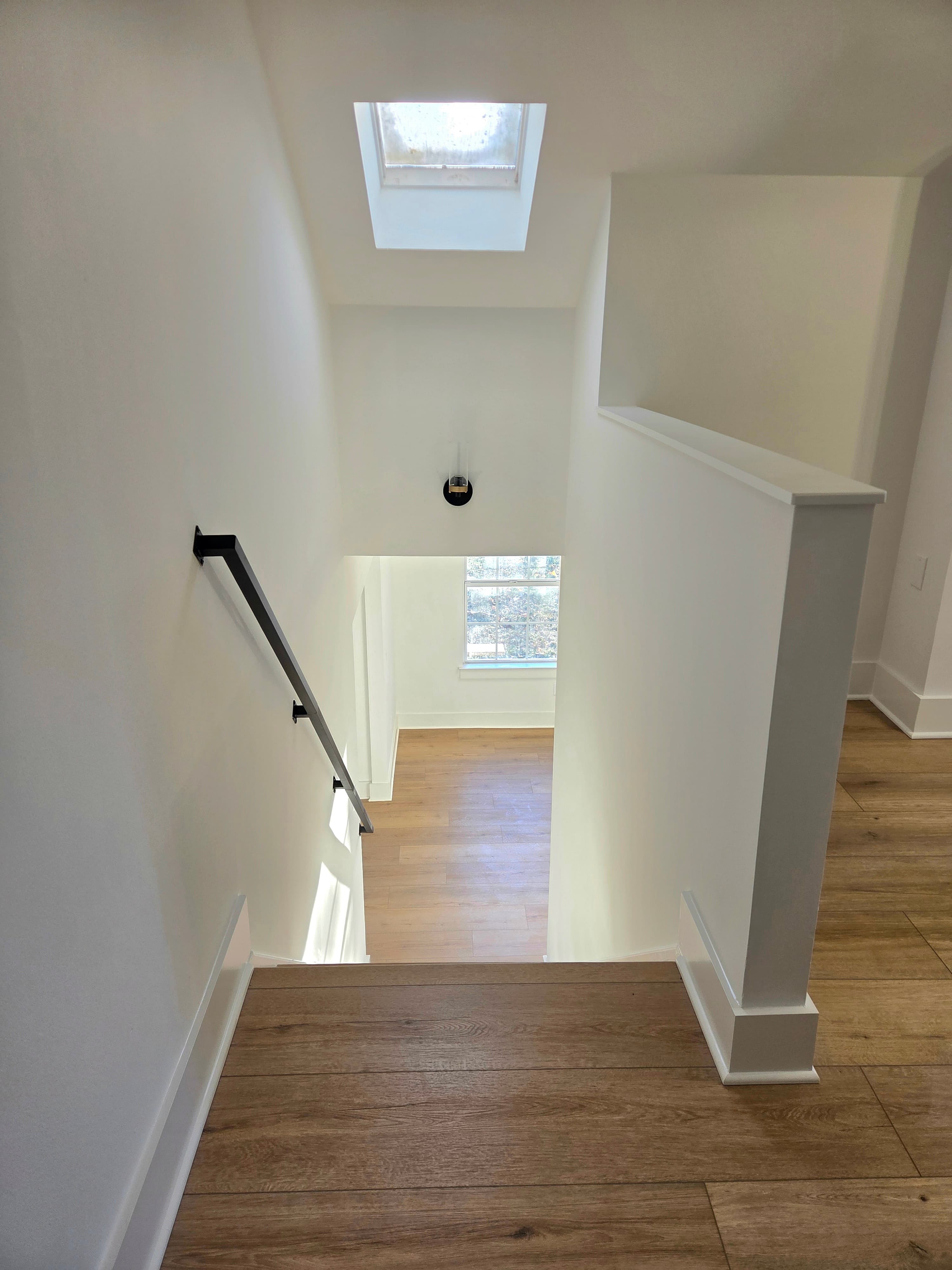
Mt. Juliet New Construction: Soil, Site Prep, and Old Hickory Lake Considerations
Building new in Mt. Juliet means navigating Wilson County permitting, site-specific soil conditions, and TVA shoreline review near Old Hickory Lake. Here is what to expect before ground breaks.
Brentwood Home Additions: Lot Coverage and Setback Realities
Before you add square footage to a Brentwood home, lot coverage limits and setback requirements shape what's possible. Here's how those rules work and how Peerless surfaces them before construction begins.