
Custom Home Building Timelines in Williamson County
A practical look at the lot-to-completion timeline for custom home builds in Williamson County, including HOA review, permitting, and what to expect at each phase.
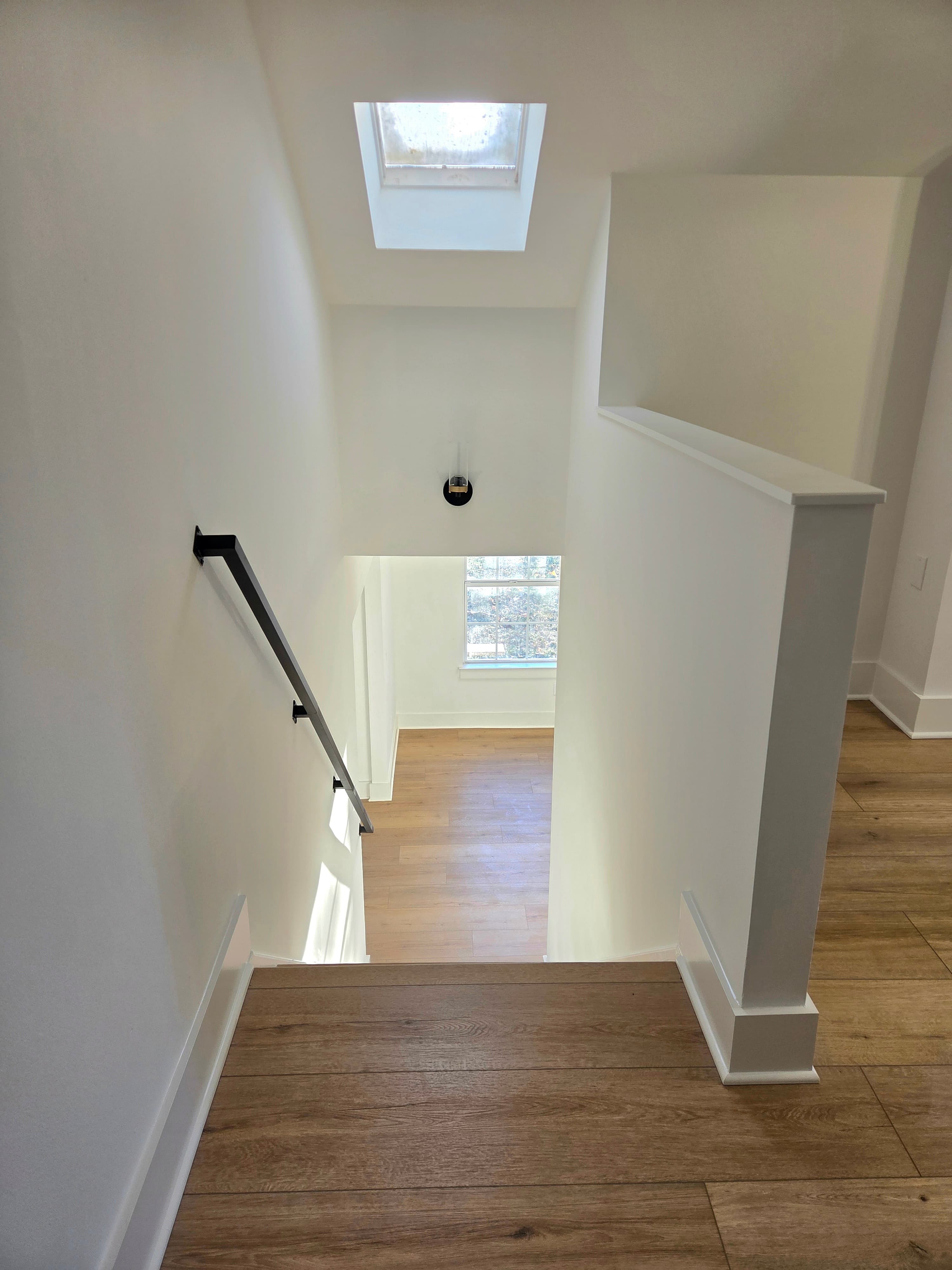
Building a custom home in Williamson County is one of the most involved projects a homeowner can undertake — and one of the most rewarding when it's managed well. Franklin and the surrounding communities sit inside a county with active permitting oversight, established HOA-governed neighborhoods, and a pace of development that makes advance planning essential. Understanding the timeline from lot acquisition through final delivery is the clearest way to avoid surprises and keep the process moving on schedule.
Pre-Construction: Where the Clock Starts
Most clients are surprised to learn how much of a custom build timeline sits in front of the first shovel. Pre-construction — which spans lot evaluation, design development, HOA coordination, and permit preparation — can easily run four to six months before a single foundation is poured.
The sequence matters. Design has to be substantially complete before permits can be filed, and in many Williamson County communities, HOA architectural review has to happen before the county will process a permit application. Trying to run these in parallel without a coordinated plan introduces delays that compound quickly.
This is why new construction projects at Peerless are organized around a pre-construction phase that treats design, entitlement, and permitting as a single workstream rather than separate handoffs.
Lot Evaluation and Site Due Diligence
Not every lot in Franklin or Brentwood is ready to build on without additional steps. Soil conditions, topography, utility access, flood zone designation, and setback requirements all affect what's buildable — and at what cost.
Before design work begins in earnest, a thorough site evaluation should address:
- Perc testing or sewer availability confirmation
- Survey and topographic data for grading and drainage planning
- Utility connections (electric, gas, water, sewer)
- Setback and impervious surface limits from Williamson County zoning
- Any deed restrictions or easements that affect buildable area
Lot due diligence in Williamson County can surface constraints that reshape the project budget or footprint. Addressing these early is far less costly than encountering them mid-design.
HOA Architectural Review in Williamson County Communities
Many of the most sought-after addresses in Williamson County — communities in Franklin, along the Harpeth River corridor, or in master-planned developments on the county's eastern and southern edges — sit under HOA covenants that require architectural approval before construction begins. The review process varies by community, but most established HOAs require complete architectural drawings, exterior material specifications, and sometimes a site plan showing grading and drainage.
HOA review boards typically meet monthly. A submission that misses a meeting cycle or comes back with change requests can add six to ten weeks to the pre-construction phase. Experienced teams build that window into the schedule rather than optimizing around it.
The county's permitting process is a separate track. Williamson County's Building and Codes department reviews for structural compliance, energy code, and zoning conformance independent of any HOA. Both approvals have to be in hand before foundation work begins.
Permitting Through Williamson County
Williamson County processes residential permits through its Building and Codes division. For a custom home, a complete permit package typically includes architectural drawings, structural engineering, energy compliance documentation, and site plans showing grading, drainage, and setbacks. The review cycle for a custom home can run four to eight weeks depending on submission quality and current volume at the department.
Incomplete submissions reset the clock. A set of drawings that goes in without stamped structural engineering or a missing erosion control plan will come back with corrections rather than an approval. The permit timeline is directly tied to how complete and accurate the submission package is at first submission.
Once a permit is issued, inspections are scheduled through the county at key construction milestones — foundation, framing, rough-in trades, and final. Coordinating those inspection windows is part of active construction management, not an afterthought.
Construction: Phase by Phase
With permits in hand and the site prepped, active construction on a custom home in Williamson County typically runs ten to fourteen months for a well-managed project of average complexity. Larger footprints, significant site work, or custom detailing can extend that window. Compressed timelines that ignore realistic sequencing tend to produce quality problems rather than earlier occupancy dates.
The construction sequence follows a predictable structure:
- Site work, grading, and foundation: six to ten weeks
- Framing and roof: six to ten weeks
- Rough-in mechanical, electrical, and plumbing: four to eight weeks
- Insulation, drywall, and exterior finishes: six to ten weeks
- Interior finishes, trim, cabinetry, and fixtures: ten to sixteen weeks
- Final systems, punch list, and inspections: four to six weeks
Trade coordination is the most consistent source of schedule variance during construction. When subcontractors are sequenced properly and inspections are pre-scheduled around milestone completions, the schedule holds. When coordination breaks down, delays stack.
What Realistic Total Timelines Look Like
Adding pre-construction and construction together, a custom home in Williamson County — from signed contract through occupancy — typically runs eighteen to twenty-four months for a straightforward project. Projects with more complex sites, extensive custom work, or HOA review complications can run longer.
That range is not a hedge. It reflects the actual structure of a well-run build in this market. Clients who plan around a fifteen-month total timeline and then encounter a standard HOA review cycle and a normal permitting queue are not experiencing delays — they're experiencing a timeline that was underestimated from the start.
Planning with realistic expectations from day one is part of what makes new construction in Franklin manageable rather than frustrating. The timeline is knowable. The key is building a plan that accounts for each phase rather than hoping phases overlap in ways they typically don't.
Working with Peerless on Your Williamson County Build
Peerless Development manages custom home projects from concept through completion — coordinating design, HOA submission, permitting, and construction under one accountable team. That structure matters in a market like Williamson County, where the pre-construction phase is as consequential as the build itself.
For clients building in Brentwood, Franklin, or elsewhere in the county, the process starts with a clear pre-construction plan that maps each phase, identifies the decision points that affect schedule, and establishes realistic milestones before ground is broken. Organized execution from the outset is what separates a build that finishes on schedule from one that extends indefinitely.
If you are planning a custom home in Williamson County and want to understand how the timeline applies to your specific lot and scope, reach out to our team to start the conversation.
Considering a remodel, addition, or new build in Middle Tennessee?
We run residential design-build engagements from concept through completion under one accountable team. Send us a project inquiry and we'll review next steps.
Related Articles
How Much Does It Cost to Build a Custom Home in Wilson County, TN?
What does it cost to build a custom home in Wilson County, TN? See 2026 cost per square foot, permit fees and site costs for Mt. Juliet and Lebanon builds.
How Much Does It Cost to Build a Detached Garage in Williamson County, TN?
What does a detached garage cost in Williamson County, TN? See 2026 prices by size, finish and ADU option, plus Franklin and Brentwood permit rules. Read on.
Building and Remodeling in Franklin's Westhaven: HOA, Design Review, and Schedule
Planning a construction or remodeling project in Westhaven, Franklin? Here's what the HOA architectural review process actually looks like — and how it affects your schedule.