
What 'Investor-Minded' Construction Actually Means
Investor-minded construction isn't about cutting costs — it's about making decisions that protect and build long-term value. Here's how that thinking shapes every phase of a project.
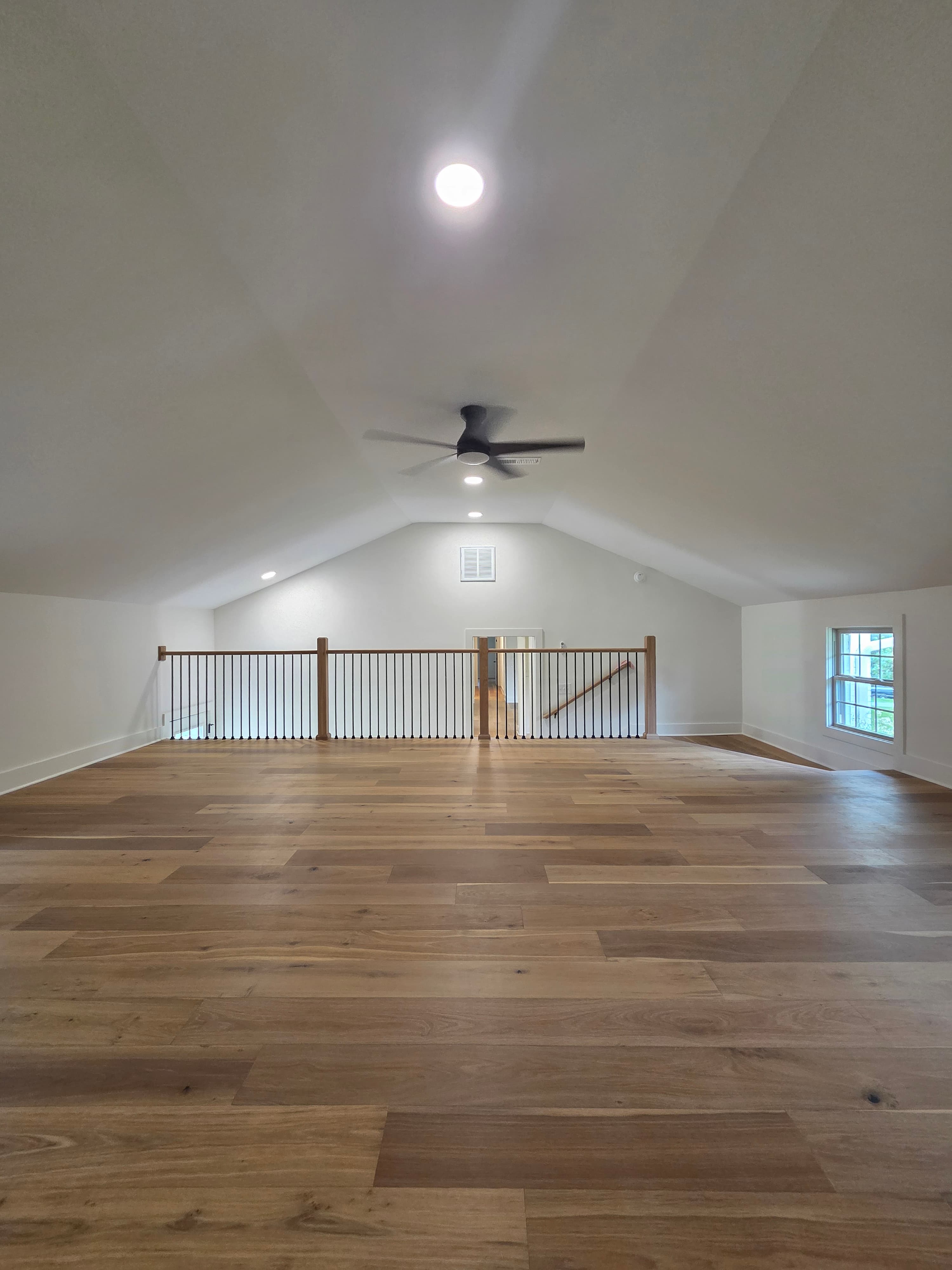
Most homeowners approach a construction or remodeling project thinking about what they want today. An investor-minded approach asks a different question: what will this decision mean for the property five, ten, or twenty years from now. Across Middle Tennessee — from established Nashville neighborhoods to fast-growing markets like Franklin and Nolensville — that distinction quietly separates projects that hold their value from ones that erode it.
It Is Not About Spending Less
The phrase "investor-minded" sometimes gets misread as a mandate to cut costs wherever possible. That is not what it means. Cutting costs indiscriminately produces short-term budget relief and long-term liability. Finishes that fail early, mechanical systems undersized for the home, structural shortcuts that surface during a future inspection — these are not savings. They are deferred expenses with interest.
Investor-minded construction is about allocating resources intentionally. Some line items deserve full investment because they are expensive to revisit later — framing, rough plumbing, electrical panel capacity, roofline geometry. Others offer legitimate flexibility depending on how you plan to use the home. Knowing which is which requires experience and honest planning before a single decision is made. That is exactly the kind of conversation that happens during pre-construction planning with a team that thinks past the project's completion date.
It Starts With Understanding the Asset
A home is an asset. That statement is obvious on its face, but most construction decisions are made as if the home exists in isolation — as if resale context, neighborhood comps, and future buyer expectations are irrelevant to today's project scope. They are not.
In Middle Tennessee, the market varies significantly from one submarket to the next. A finishes package appropriate for a primary residence in Williamson County may look out of place — or underperform — in a different county or price bracket. Investor-minded thinking means understanding where the property sits in its market and making decisions that are calibrated to that context. Overbuilding a property relative to its neighborhood ceiling has real costs. So does underbuilding relative to neighborhood expectations. Both outcomes reduce long-term value relative to what a well-planned project could deliver.
This is not purely a financial calculation, either. Families who plan to stay in a home for fifteen years have a different calculus than those who anticipate selling in five. An investor-minded approach recognizes that distinction and builds a scope that fits the actual plan — not a generic template.
Where Investor-Minded Thinking Changes the Answer
Concrete examples are more useful than abstractions. Here are a few categories where investor-minded thinking routinely changes the decision:
- Structural capacity. Building in load-bearing capacity for a future second story costs a fraction of the price when done during original construction versus a retrofit. If the lot and neighborhood support vertical expansion, that investment is almost always worth making at the outset.
- Mechanical system sizing. HVAC and electrical panels that are sized adequately for the home as-built, rather than stretched to their limit, reduce maintenance costs and extend equipment lifespan. A panel with room to grow avoids a full upgrade later.
- Material selection at high-traffic points. Flooring and surfaces that absorb the most daily use deserve more scrutiny than surfaces in low-traffic rooms. Paying more for durable, well-specified materials in kitchens, entries, and main living areas is a sound allocation. Matching that same specification in a guest closet is not.
- Layout flexibility. Open floor plans with thoughtfully placed structural elements support future reconfiguration. Rigid layouts with load-bearing walls in unconventional positions create renovation constraints that future owners will pay to resolve.
None of these decisions require spending more overall. They require spending deliberately — and sequencing investments to match where value is actually created.
The Pre-Construction Phase Is Where This Thinking Lives
Most investor-minded decisions happen before construction begins. Once the project is in the ground, the window for cost-effective course correction closes rapidly. Changing the location of a plumbing rough-in after framing is complete is expensive. Deciding during pre-construction that the layout should shift to accommodate a more logical mechanical chase costs essentially nothing.
This is one of the clearest arguments for a design-build model in new construction. When design and construction planning happen in the same conversation — with the same team — the investor-minded lens can be applied before drawings are finalized. Decisions that look purely aesthetic on a floor plan often have structural or mechanical implications. A team that understands both sides of that equation will surface those implications before they become change orders.
Pre-construction is also when scope prioritization happens. A clear-eyed conversation about which elements of a project deliver the most long-term value — and which are purely discretionary — produces a more defensible budget and a more coherent project. That kind of aligned planning is foundational to how Peerless approaches every engagement.
Long-Term Value Is Built Into Every Trade Decision
Investor-minded thinking does not stop at the design table. It extends through every phase of construction and into how subcontractors are selected and managed. The quality of trade work — framing tolerances, waterproofing details, finish carpentry execution — has a direct bearing on long-term performance and future inspection outcomes.
This is not an abstract concern. Homes in Middle Tennessee's active resale market go through buyer inspections that scrutinize exactly these details. Deferred maintenance items and substandard workmanship that were invisible at move-in become negotiating leverage — or deal-breakers — years later. A project built with organized execution and consistent quality standards from the foundation up does not carry those liabilities.
Subcontractor coordination matters here in a practical way. A general contractor who works with the same skilled trade partners across projects builds institutional knowledge about how those trades perform, where they need oversight, and how to sequence work to protect quality at every handoff. That continuity produces better outcomes than assembling a new crew for each project and hoping the execution holds.
Investor-Minded Does Not Mean Impersonal
It is worth saying directly: an investor-minded approach does not mean stripping personality or preference from a project. A home built with long-term value in mind can still reflect exactly how the owners want to live in it. The two are not in conflict.
What investor-minded thinking resists is making decisions purely on emotional impulse without accounting for their downstream consequences. Selecting a highly unconventional finish that will appeal to a narrow range of future buyers is a choice that can still be made — but it should be made knowingly, with an understanding of what it means for resale positioning. That is informed decision-making. It is the opposite of either mindless trend-chasing or reflexive cost-cutting.
The best projects hold personal meaning for the people who commissioned them and perform well as assets over time. Reaching both outcomes together requires a team that is willing to ask harder questions during planning — and a client willing to answer them honestly.
Working with Peerless
Peerless Development was built around this framework. Our approach to residential construction — whether remodeling or new construction — applies investor-minded thinking from the first planning conversation through final delivery. We ask questions about how you plan to use the property, how long you intend to hold it, and what the surrounding market looks like. Those answers shape the scope, the specifications, and the sequencing of every project we manage.
If you are planning a project in Middle Tennessee and want a team that thinks past the ribbon-cutting, learn more about how we work or reach out directly to start a conversation. Organized execution and long-term value are not marketing language at Peerless. They are the standard we hold every project to.
Considering a remodel, addition, or new build in Middle Tennessee?
We run residential design-build engagements from concept through completion under one accountable team. Send us a project inquiry and we'll review next steps.
Related Articles
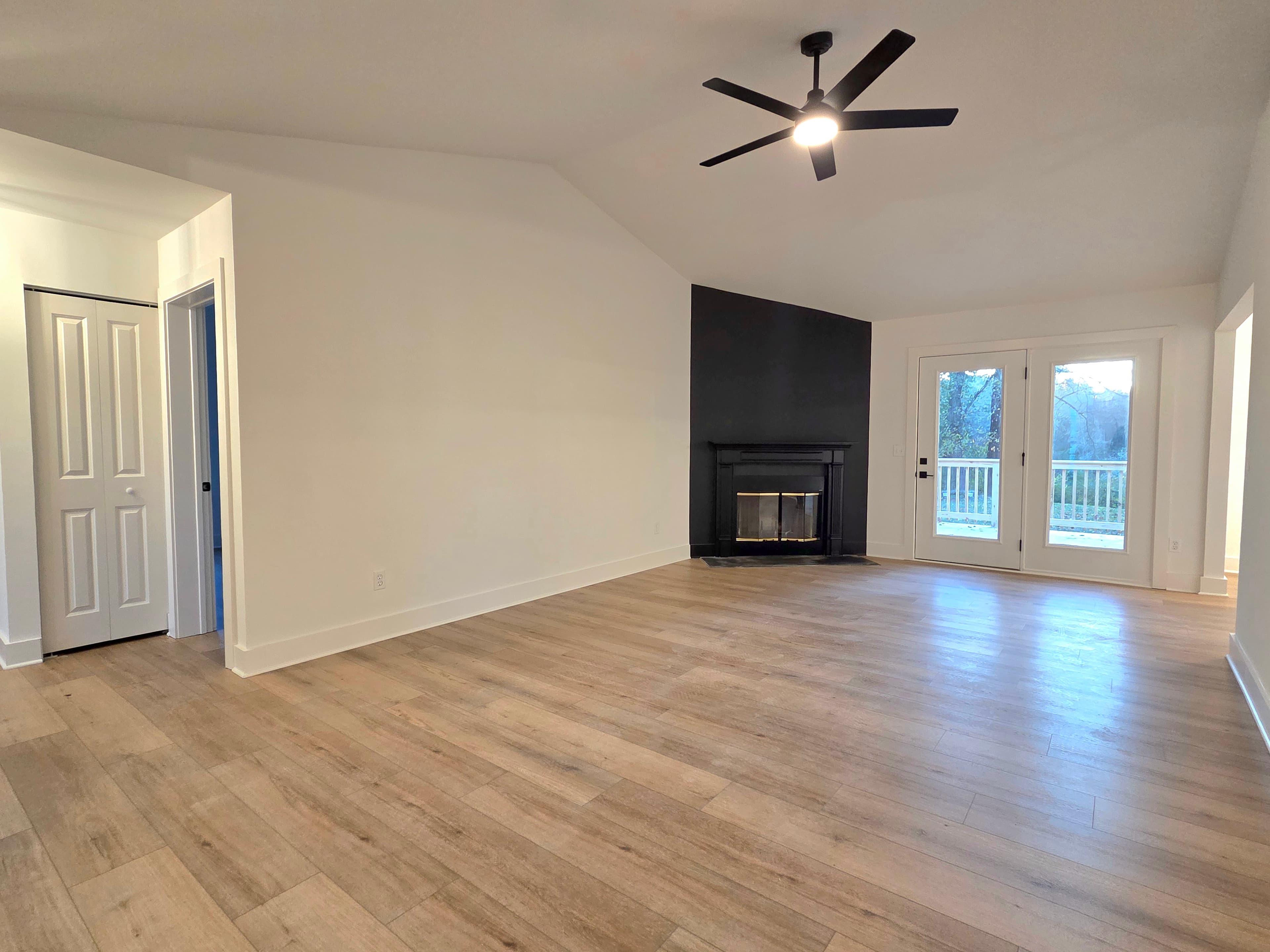
Reading a Construction Schedule: What the Document Actually Tells You
A residential construction schedule is more than a list of dates. Learn how to read milestones, understand the critical path, and interpret weekly updates on your Middle Tennessee build or remodel.
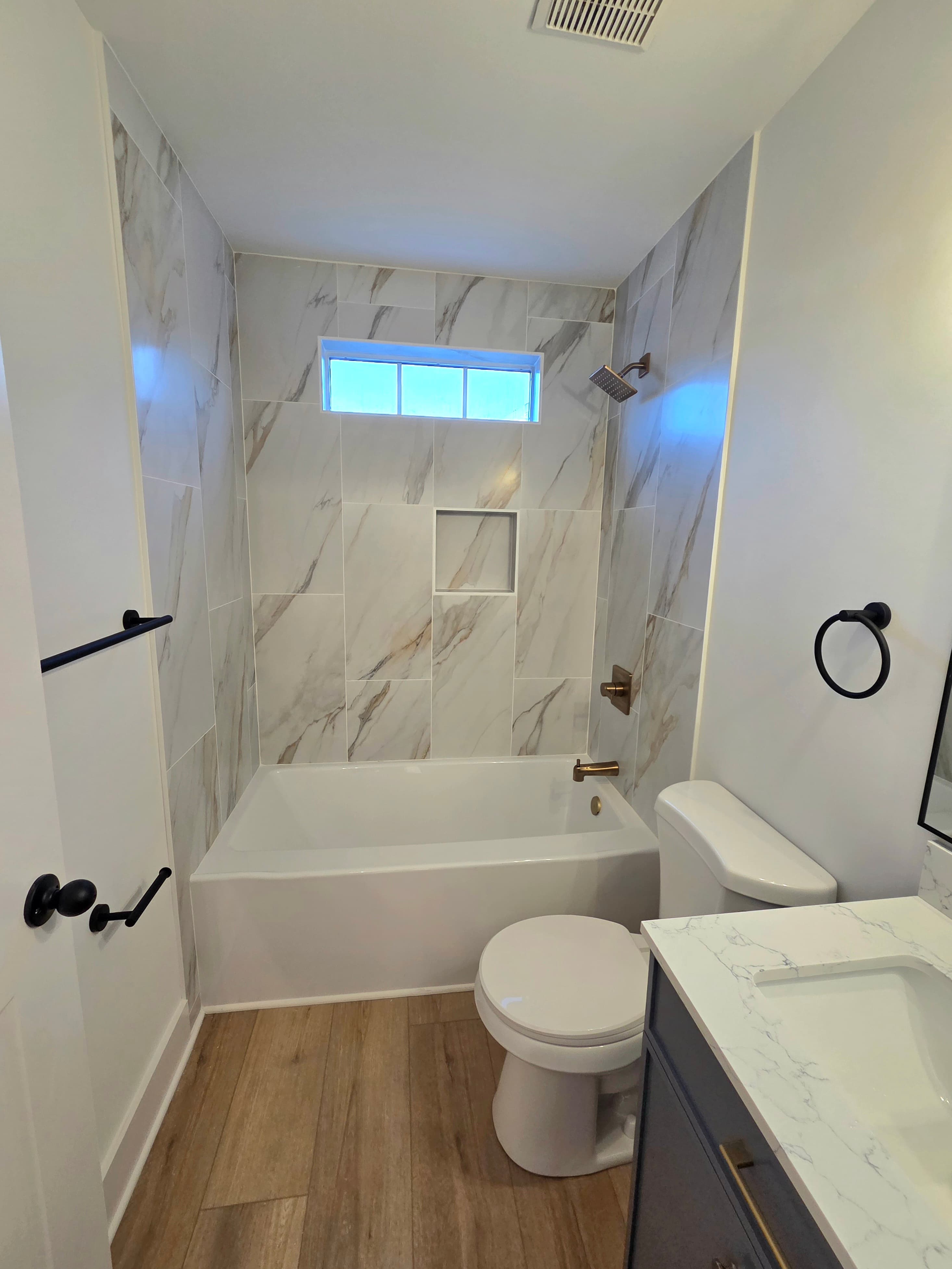
Primary Suite Remodel Realities: What's Behind the Walls in Middle Tennessee Homes
A primary suite remodel in Middle Tennessee often surfaces hidden conditions behind walls and beneath floors. Here's what to expect and how to plan for it.
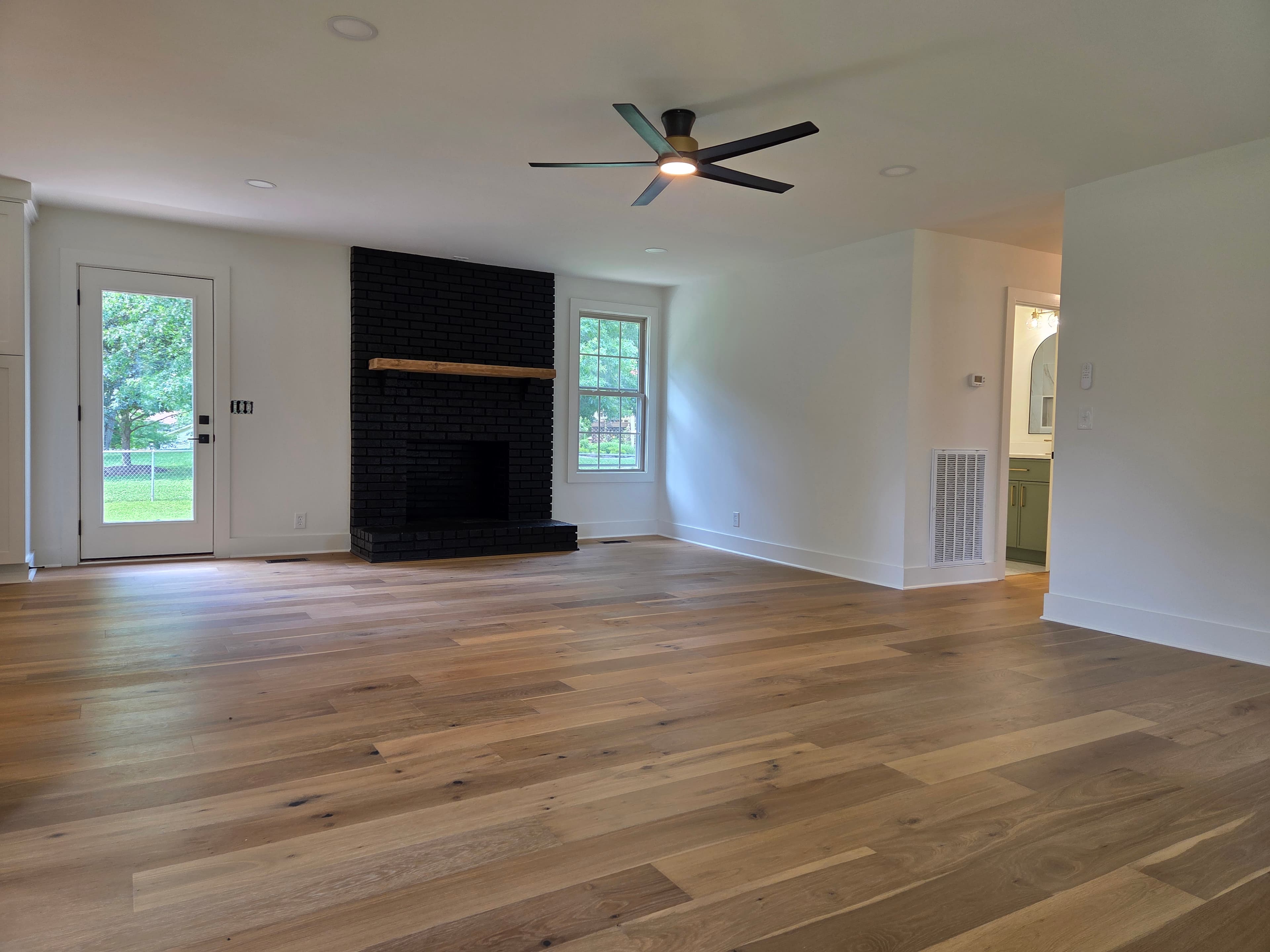
What to Expect During a Whole-Home Remodel in Middle Tennessee
A practical guide to the timeline, decision points, and homeowner experience during a whole-home remodel in Middle Tennessee — from pre-construction planning through final walkthrough.