
What a Workmanship Warranty Actually Covers After Completion
A workmanship warranty is not a blanket guarantee. Learn what it actually covers, how it differs from manufacturer warranties, and what to ask your builder before closing out a project.
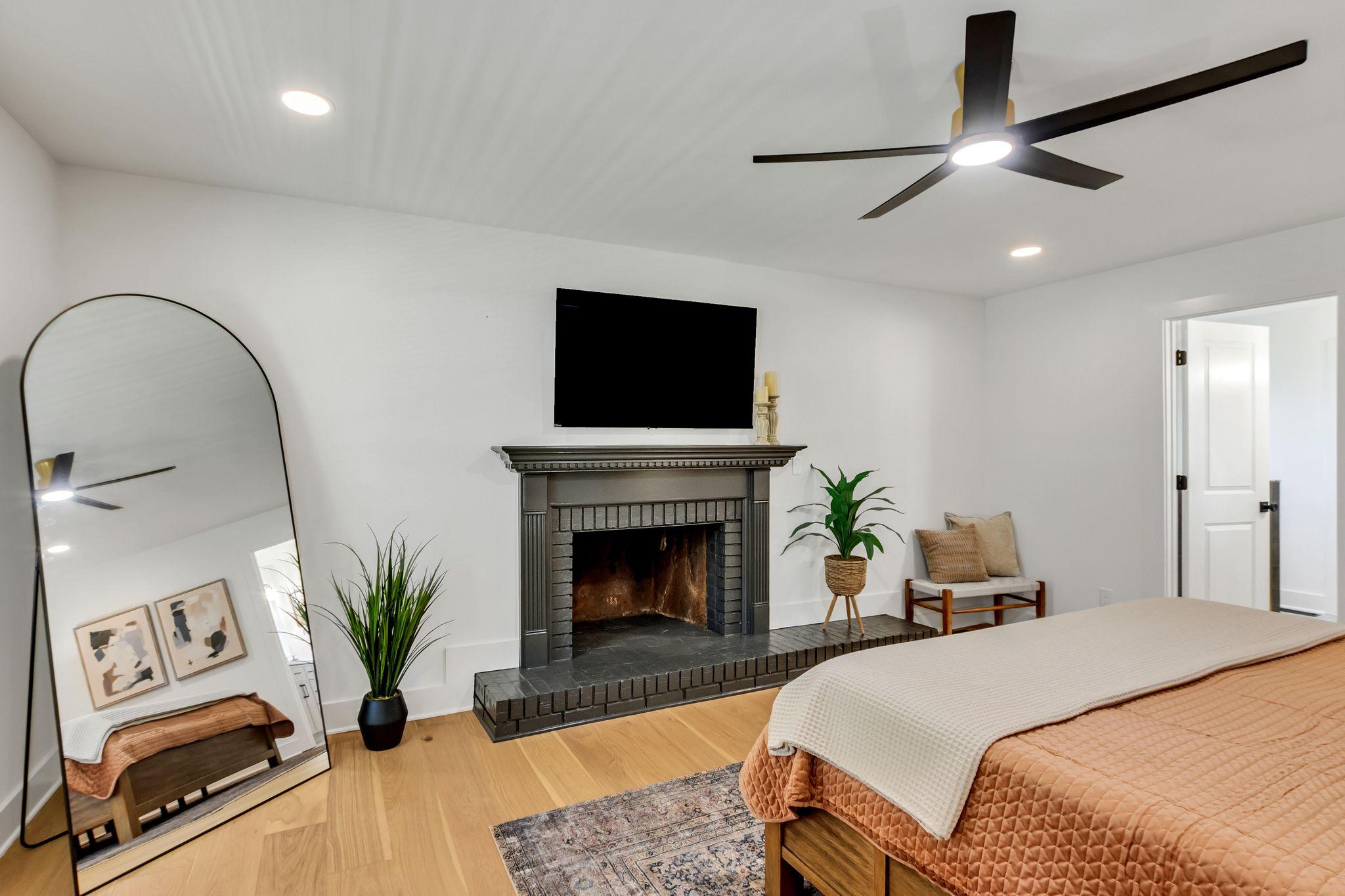
Finishing a remodel or new build is a significant milestone, but completion is not the end of your builder's responsibility. In Middle Tennessee — from Nashville to Franklin and beyond — homeowners frequently discover that the warranty documentation handed over at project closeout is harder to interpret than expected. Understanding what a construction workmanship warranty actually covers, where it ends, and how it interacts with the manufacturer warranties on installed products is essential before you sign off on any project.
What a Workmanship Warranty Is — and Is Not
A workmanship warranty is a commitment from the contractor that the labor performed was completed correctly. If a tile setter installed flooring that begins to lift because the mortar bed was improperly prepared, that is a workmanship issue. If a window was flashed incorrectly and water begins to intrude after the first heavy rain, that is also a workmanship issue. The warranty covers the builder's execution — not the materials themselves.
This distinction matters more than most homeowners realize at closeout. A workmanship warranty does not cover normal wear, occupant damage, or material defects that originate with the manufacturer. It does not protect against conditions that were pre-existing before construction started. It is a guarantee of the builder's craft, within a defined scope and time period.
The duration of a workmanship warranty varies by contractor and project type. Many residential builders in Tennessee offer one year on general workmanship. Some extend coverage on structural elements, waterproofing, or specific trades. The key is that these terms must be documented clearly — not communicated verbally at a walkthrough and forgotten.
How Workmanship Warranties and Manufacturer Warranties Interact
Every project involves installed products: roofing systems, windows, appliances, HVAC equipment, cabinetry, flooring, plumbing fixtures. Each of those products typically carries its own manufacturer warranty, and the two types of coverage operate on separate tracks.
If a window seal fails and allows condensation to form between the panes, that is a product defect — the glass unit itself failed. The manufacturer warranty applies. If the same window leaks at the frame because the installation was not done to spec, that is workmanship. Your contractor is responsible.
The practical challenge is that the boundary between the two is not always obvious in the field. Water intrusion behind a tile surround, for example, could be traced to the tile product, the substrate, or the installation method. Separating those causes requires someone who knows how to read the failure. This is one reason why organized documentation at project closeout — including product warranty cards, installation records, and builder warranty language — is worth keeping in a single accessible file.
A builder who operates with structured communication through the project will typically hand over a closeout package that includes both the workmanship warranty document and the manufacturer warranties for major installed products. If that package is not part of your closeout conversation, ask for it explicitly.
What Is Typically Excluded
Knowing what a workmanship warranty does not cover is just as important as knowing what it does. Common exclusions include:
- Damage caused by the homeowner, tenants, or third parties after completion
- Conditions resulting from lack of routine maintenance (caulk that was not reapplied, gutters not cleaned, HVAC filters not changed)
- Normal material movement — wood expansion and contraction, hairline drywall cracks in seasonal climates
- Pre-existing site conditions that were disclosed before work began
- Work performed by other contractors after the original project closed
Middle Tennessee's climate adds some nuance here. The region experiences genuine temperature swings across seasons, and wood framing, trim, and drywall do move. Minor nail pops and hairline cracks at corners are common and are not typically covered under workmanship warranty — they fall into the category of expected material behavior. A builder should explain this during the final walkthrough so homeowners are not surprised when they appear in year one.
How to Evaluate the Warranty Before You Sign Off
The right time to review workmanship warranty terms is before work begins — not after the final invoice arrives. Warranty coverage should be a standard part of your pre-construction documentation, not an afterthought.
When evaluating a builder's warranty, focus on a few specific questions. What is the coverage period for general workmanship? Are structural elements covered separately and for how long? What is the claims process — who do you contact, how do you document the issue, and what is the response timeline? Is coverage voided if you perform other work on the property during the warranty period?
Builders who have clear, written answers to all of these questions are operating at a higher standard. Vague verbal assurances or warranty language buried in fine print are signals worth paying attention to. You can review our FAQ for the kinds of questions worth raising with any contractor before signing a construction agreement.
Why Organized Execution at Closeout Affects Warranty Claims
A warranty is only as useful as the documentation supporting it. If a workmanship issue surfaces eight months after completion, your ability to make a successful claim depends on having records: the warranty document itself, the scope of work that defined what was built, photos from the project, and the original construction agreement.
Contractors who operate with organized execution through the full project lifecycle tend to close out the same way. That means warranty documents are delivered alongside as-built records, product data sheets, and permit documentation. It means the closeout package is a structured handoff — not a folder of miscellaneous paperwork handed over at the last minute.
This matters especially in longer or more complex projects. A whole-home remodel in Brentwood or a new construction project on a custom lot in Williamson County may involve dozens of subcontractors, dozens of installed product lines, and thousands of individual decisions. A builder who maintains clear records throughout the project can trace an issue efficiently if it surfaces post-completion. One who does not creates friction for everyone when a claim arises.
Common Scenarios and How They Typically Resolve
Understanding how warranty claims tend to play out helps set realistic expectations. A few common scenarios:
- Roof flashing fails within the warranty period. If the installation was clearly not to manufacturer specification, this is a workmanship claim. The contractor should remedy it at no cost within the warranty window.
- Cabinet doors begin to warp. This requires investigation. If the cabinets were installed in a space with significant humidity swings and no climate control during construction, the installation process may be a factor. If the product itself had a defect, the manufacturer warranty applies.
- Grout in a shower begins to crack. This could be workmanship — inadequate substrate preparation or failure to use the correct grout product — or it could be normal movement in a wet environment. The specifics matter.
What all of these scenarios share is that resolution depends on clear communication, documented scope, and a builder willing to investigate without deflecting. A contractor who stands behind their work will approach warranty claims as a matter of professional responsibility, not as an adversarial process.
Working with Peerless
At Peerless Development, warranty coverage is part of how we structure every project — not a separate conversation held after the invoice is paid. We document work as it progresses, coordinate with trade partners to ensure installations meet manufacturer requirements, and close out each project with organized handoff materials so homeowners have what they need if a question arises later.
Our approach is built around long-term value and one accountable team from concept to completion. That accountability does not stop at the punch list. If you are planning a remodel or new construction project in Middle Tennessee and want to understand exactly what your post-completion coverage will look like, learn more about how we work or reach out to our team directly to start the conversation.
Considering a remodel, addition, or new build in Middle Tennessee?
We run residential design-build engagements from concept through completion under one accountable team. Send us a project inquiry and we'll review next steps.
Related Articles
How to Make Finish Selections Without Slowing the Schedule
Learn how structured pre-construction selections keep your remodel on schedule. Peerless Development walks through the process from first decisions to final installs.
How Owners Should Be Kept Informed During Construction
Good construction communication means scheduled updates, documented decisions, and clear access to milestones — not reactive check-ins. Here is what structured homeowner communication looks like during a well-run project.
The Pre-Construction Checklist Before Breaking Ground in Middle Tennessee
A practical guide to everything that should be resolved before construction starts — drawings, selections, permits, schedule, and contract — for Middle Tennessee homeowners.