
The Pre-Construction Checklist Before Breaking Ground in Middle Tennessee
A practical guide to everything that should be resolved before construction starts — drawings, selections, permits, schedule, and contract — for Middle Tennessee homeowners.
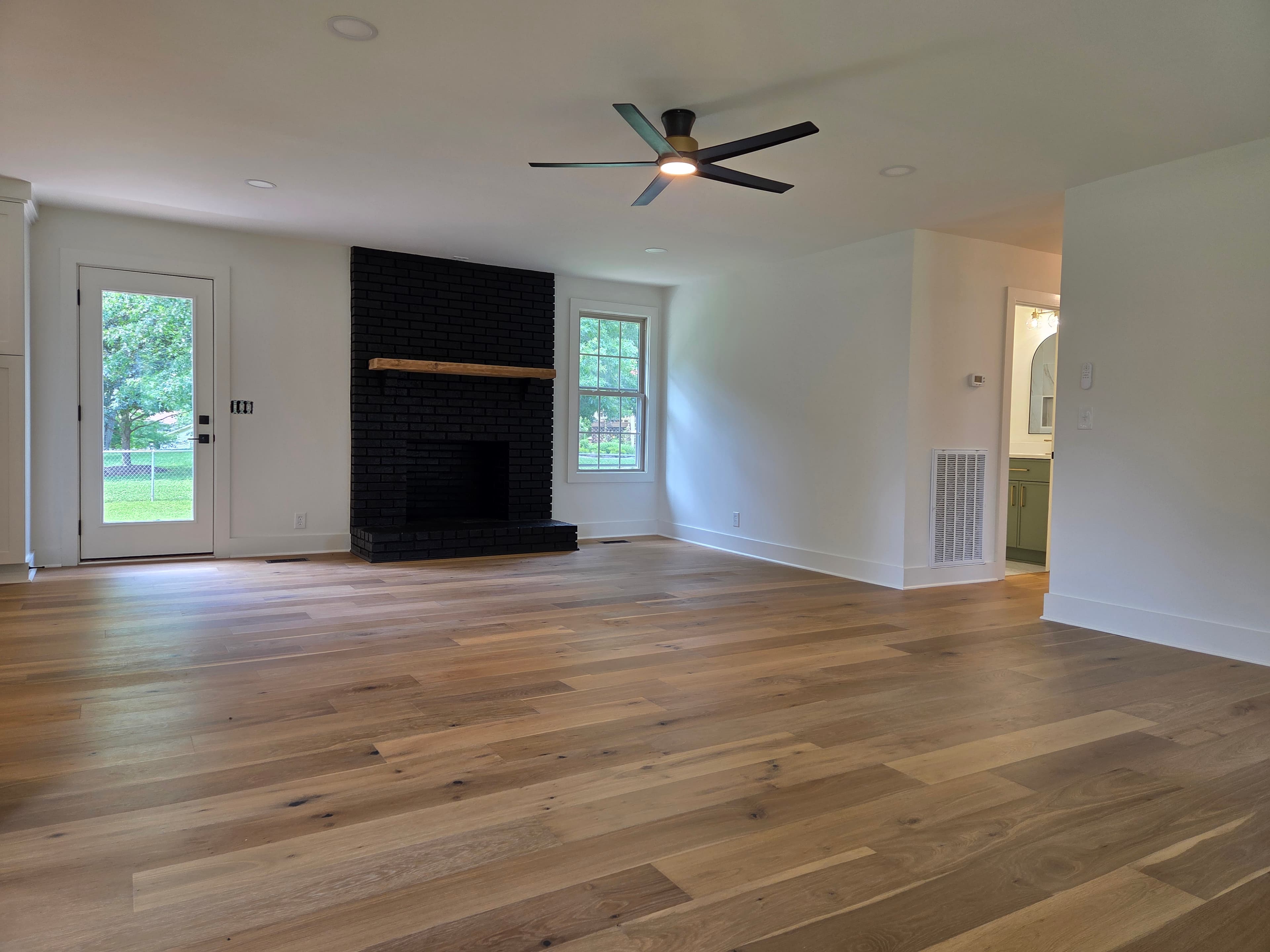
Most remodeling projects that fall behind schedule or run over budget do so before the first tool is picked up. The decisions that weren't made, the drawings that weren't finalized, the permits that weren't submitted — these are the variables that quietly accumulate into delays and cost overruns once construction is underway. For homeowners across Middle Tennessee, including those navigating active markets like Franklin and Brentwood, a thorough pre-construction process is not a formality. It is the foundation the project is actually built on.
What Pre-Construction Is — and Why It Matters
Pre-construction is everything that happens between signing a contract and breaking ground. It is a distinct phase, not a loose collection of administrative tasks. Done well, it produces a project that starts with every major decision already resolved: construction documents are complete, selections are made, permits are in hand, and the schedule reflects the real sequence of work rather than a wish list.
The value is straightforward. Decisions made during design and planning cost almost nothing to change. Decisions made mid-construction — when walls are open or concrete has been poured — cost significantly more and slow the entire project down. Pre-construction is where you buy that flexibility cheaply.
For larger scopes like whole-home remodeling, this phase can run several weeks. For focused remodels, it may be shorter. The length matters less than the completeness of what it produces.
Drawings and Construction Documents
Construction cannot start without a clear set of documents telling every trade what to build. The scope of what those documents include depends on the project, but the principle is consistent: anything left ambiguous on paper becomes a judgment call in the field, and field judgment calls cost money.
At minimum, pre-construction documents should establish:
- Floor plan layouts showing new and demolished conditions
- Elevations for cabinetry, tile, and any built-in work
- Structural notes if walls are moving or loads are changing
- Electrical and plumbing rough-in locations
- Window and door schedules with sizes and specifications
In Middle Tennessee, Metro Nashville's Codes Department and the Williamson County building offices each have their own documentation requirements for permitted work. Drawings prepared for permit submission need to meet those standards — a set that works for a contractor internally may not be sufficient for code review. Getting this right before submission avoids back-and-forth that adds weeks to the schedule.
Material and Finish Selections
One of the most common causes of construction delays is selections that aren't made before work begins. A homeowner who hasn't chosen tile when the tile installer is scheduled to arrive either delays the trade or locks in a last-minute decision they may regret. Neither outcome is good.
The pre-construction phase is when every finish and material choice should be resolved — not most of them, all of them. This includes cabinetry, countertops, flooring, tile, plumbing fixtures, lighting, hardware, appliances, and any specialty items with long lead times. Some materials ship quickly; others require six to twelve weeks from order to delivery. Knowing lead times early allows the construction schedule to be built around them rather than interrupted by them.
A structured selection process also surfaces budget decisions while there is still time to adjust them. Choosing a countertop that exceeds the allowance is a straightforward conversation during design. The same conversation during demolition is more complicated.
Permits and Jurisdictional Approvals
Permitted work cannot begin until the permit is issued, and permit timelines in Middle Tennessee vary by jurisdiction and project complexity. Metro Nashville, Williamson County, Wilson County, and Sumner County each operate on their own review cycles. Some projects move through quickly; others — particularly those involving structural changes, additions, or work in regulated flood zones near Old Hickory Lake or Tims Ford Lake — require more review time.
Submitting for permits early in the pre-construction phase allows review time to run in parallel with other preparation work. Waiting until drawings are finalized and then submitting creates a gap in the schedule where nothing can happen. Sequencing permit submission correctly is part of organized execution.
Homeowners working in certain neighborhoods — East Nashville's historic overlay zones, for example — may also need approval from preservation review boards before permits are issued. These requirements are not always obvious and catching them late can significantly affect the timeline.
Budget, Contract, and Scope Alignment
Breaking ground without a fully executed contract is not a best practice — it is a source of risk for everyone involved. The contract should define the scope precisely, establish payment terms, document the allowances used in pricing, and set a clear process for handling changes during construction.
Budget alignment is part of this step. If the estimate was built on preliminary drawings and selections have since changed, the final cost needs to reflect those changes before work begins. Starting construction on a number that both parties know is no longer accurate creates friction at every subsequent decision point.
The contract and the budget should match the drawings. Those three documents — contract, budget, and construction set — form a coherent picture of the project. When they align, the project has a stable foundation. When they don't, the gaps become disputes.
You can review common questions about contracts and scope on our FAQ page.
The Construction Schedule
A construction schedule is not a rough sequence of events. It is a document that maps the actual order of work, accounts for lead times on materials, sequences subcontractor access correctly, and identifies the dependencies that govern the entire project. Our post on reading a construction schedule covers this in more detail.
Before ground breaks, the schedule should be finalized and shared with every party who needs to execute against it. Trades need to know their start dates with enough lead time to plan their own crews. Material deliveries need to be coordinated with the phases that need them. Inspections need to be anticipated so they don't become bottlenecks.
A schedule built before construction starts is a planning tool. A schedule built during construction is damage control.
Working with Peerless
The pre-construction phase is where projects are set up to succeed or quietly positioned to struggle. At Peerless Development, we treat it as a structured phase with defined deliverables — not a loose handoff period between signing and building. Drawings are finalized. Selections are confirmed. Permits are submitted. The contract and budget are aligned. The schedule reflects reality. When all of that is in place, construction can start with clarity instead of assumptions.
We work across Middle Tennessee, including Nashville, Franklin, Brentwood, Hendersonville, and the surrounding counties. Our services cover the full range of residential remodeling and new construction, managed from concept through completion by one accountable team.
If you are planning a project and want to understand what a thorough pre-construction process looks like for your scope, contact us to start the conversation.
Considering a remodel, addition, or new build in Middle Tennessee?
We run residential design-build engagements from concept through completion under one accountable team. Send us a project inquiry and we'll review next steps.
Related Articles
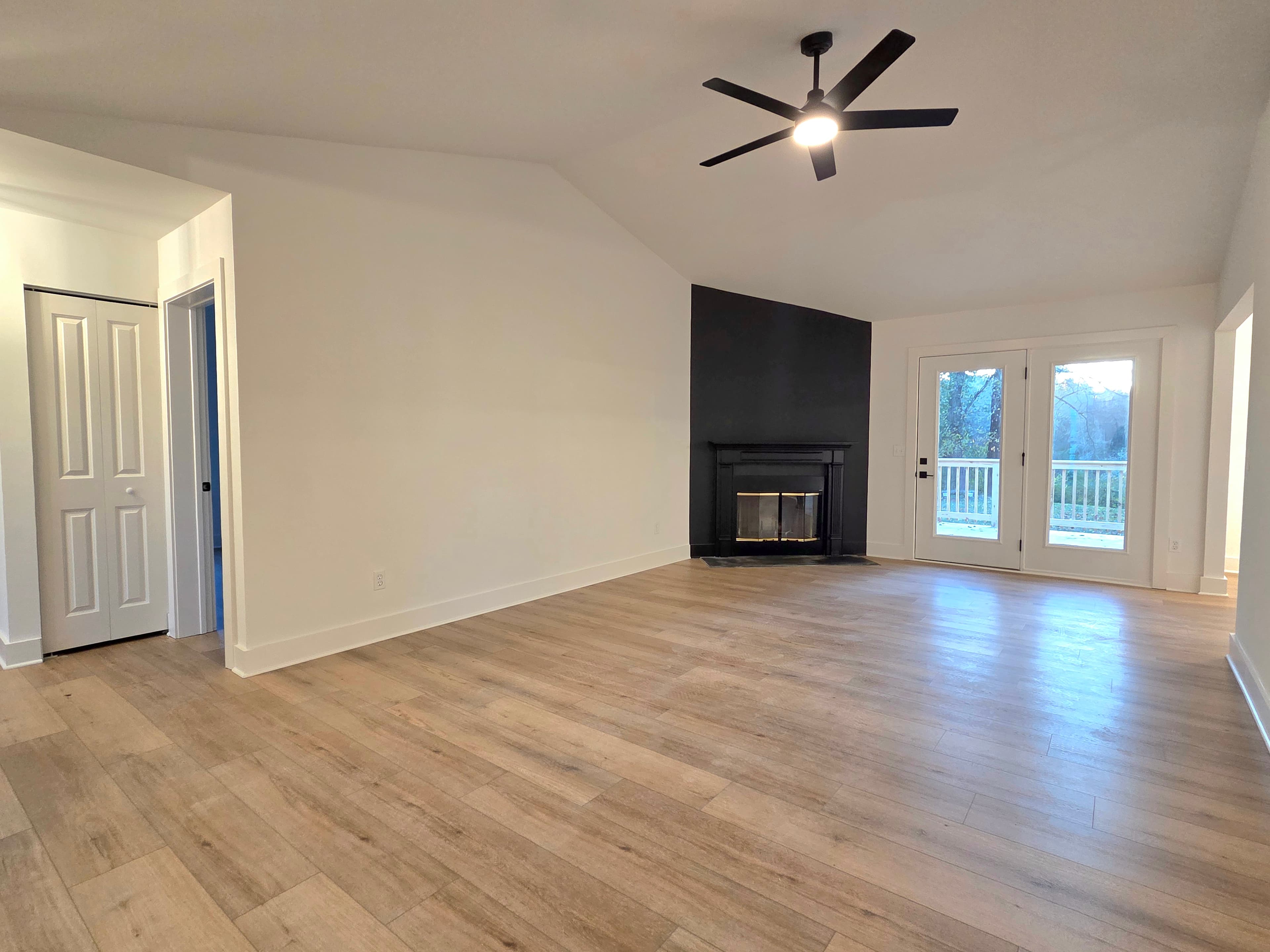
Reading a Construction Schedule: What the Document Actually Tells You
A residential construction schedule is more than a list of dates. Learn how to read milestones, understand the critical path, and interpret weekly updates on your Middle Tennessee build or remodel.
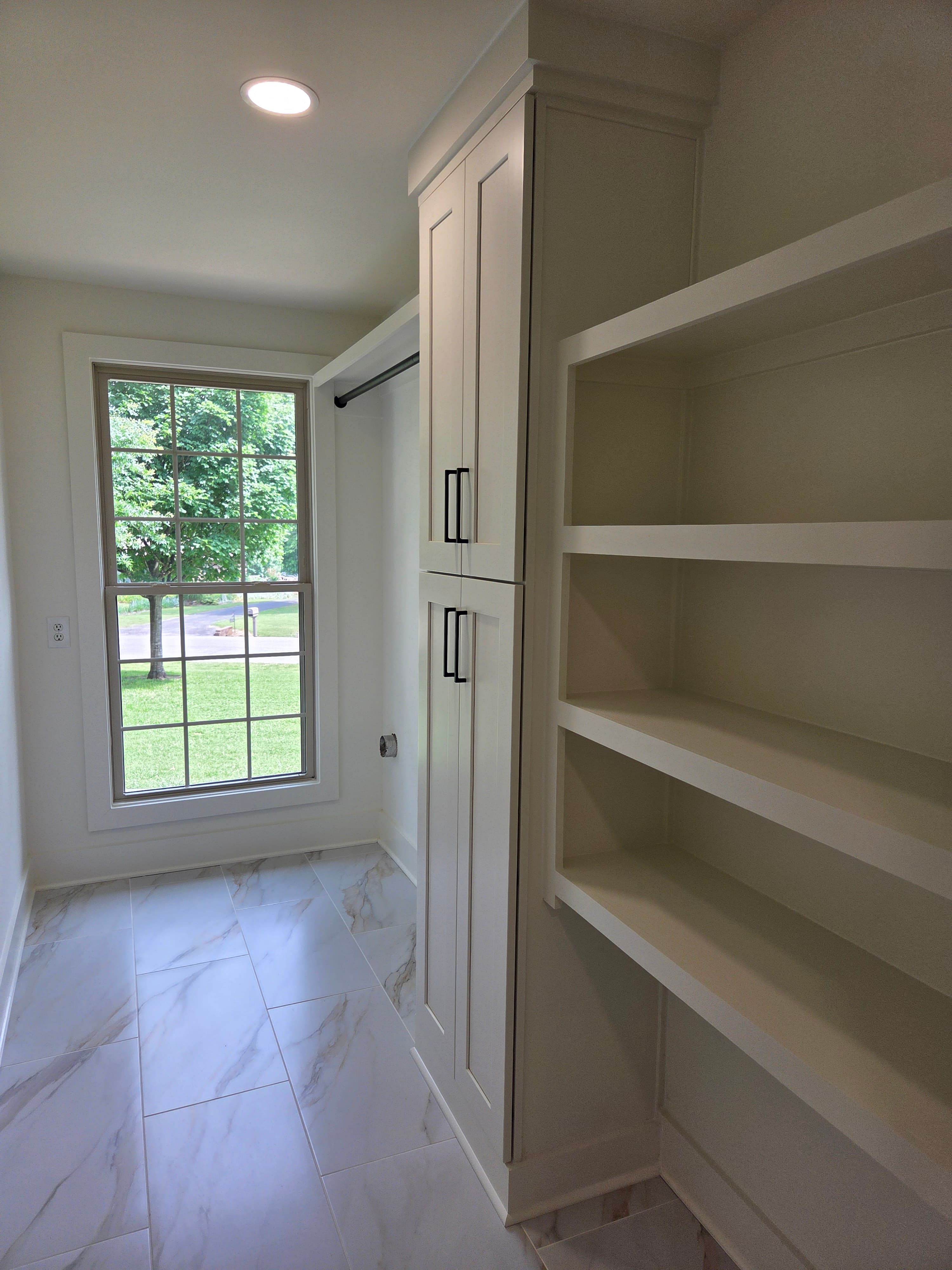
Why Subcontractor Coordination Determines Project Quality
Trade sequencing and a stable bench of subcontractors shape construction outcomes more than any individual finish choice. Here is what organized subcontractor coordination actually looks like on a residential project.
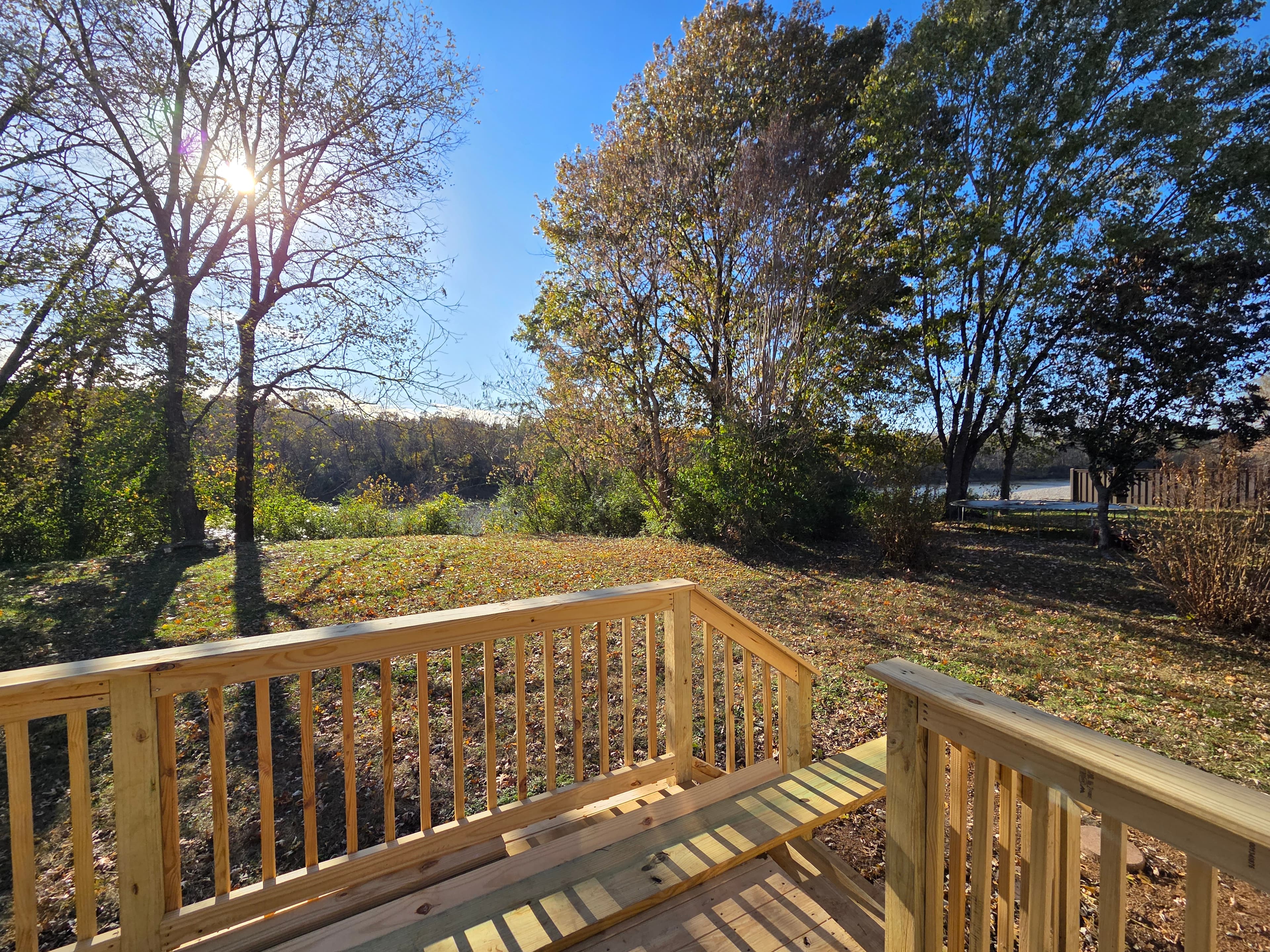
Permitting a Home Addition in Nashville: The Process Explained
Adding onto your Nashville home involves more than design and construction. This guide walks through the Metro Codes permitting process, historic overlays, HOA review, and how aligned planning keeps projects on schedule.