
How to Make Finish Selections Without Slowing the Schedule
Learn how structured pre-construction selections keep your remodel on schedule. Peerless Development walks through the process from first decisions to final installs.
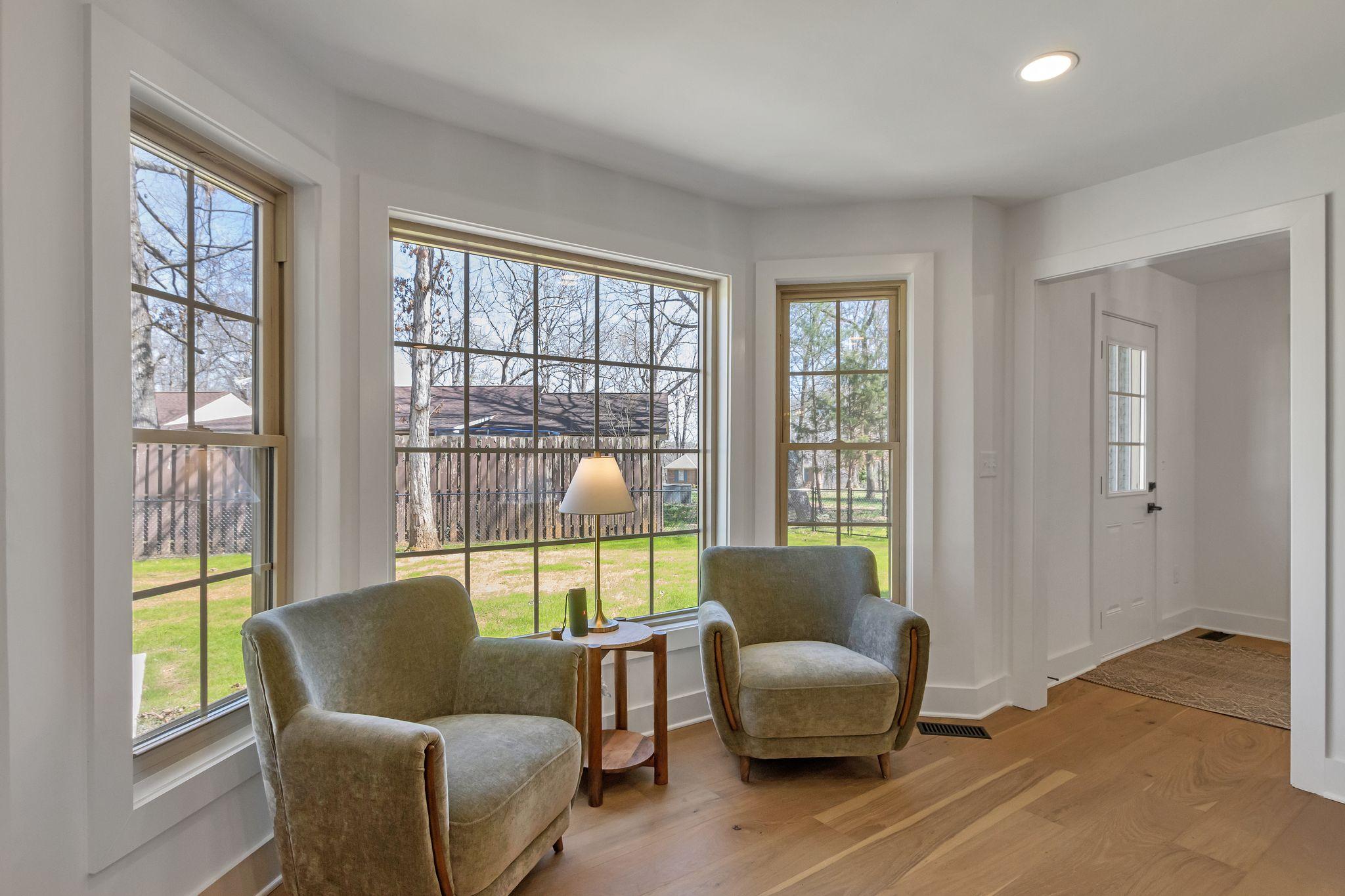
Finish selections are one of the most common reasons a remodel schedule slips — not because owners are indecisive, but because the process around selections is often disorganized. Across Middle Tennessee, from Nashville infill projects to larger whole-home remodels in Franklin and Brentwood, the pattern is the same: when selections happen reactively instead of systematically, lead times compound and trades wait. The fix is structural, and it starts long before a single wall comes down.
Why Selections Derail Schedules
A remodel schedule is built around material lead times and trade sequencing. When a tile is selected the week it needs to be installed, one of two things happens: the schedule pauses while the tile ships, or a substitute gets used. Neither outcome serves the project. The root cause is usually that selections were treated as a design activity rather than a procurement activity — something to be enjoyed at leisure rather than managed against a deadline.
The problem compounds quickly. Plumbing fixtures need to be on-site before rough-in is closed up, because trim kits and valve placements are fixture-specific. Cabinet selections drive electrical outlet locations, appliance placements, and countertop templating. Countertop materials determine lead times that can run several weeks depending on the slab source. Each of these items connects to something downstream. A late decision in one category ripples forward into others.
This is not unique to large or complicated projects. A focused kitchen remodeling scope with a modest footprint can still stall over a single backsplash tile on extended backorder if no one flagged the lead time before it became critical.
The Case for Pre-Construction Selections
The most reliable way to protect the schedule is to complete all selections — or the overwhelming majority of them — before construction begins. This is the approach Peerless structures into every project during the pre-construction phase. Decisions made before the first day of demolition give the team time to order materials, confirm lead times, and flag substitutions if something becomes unavailable.
Pre-construction selections also change the nature of the conversation. When an owner is choosing tile in a showroom three months before it needs to be installed, the decision carries less pressure. Options can be evaluated, samples can be brought home, and lead times can be verified without any urgency. When that same decision gets pushed to two weeks before install, the pressure is real and the options narrow fast.
The pre-construction phase is also when design and construction are most aligned. Layout decisions, structural choices, and finish preferences are still malleable. Changes made at this stage are significantly less costly than changes made once work is underway. For bathroom remodeling scopes specifically, this matters: tile and fixture selections affect waterproofing sequencing, niche placement, and plumbing rough-in — details that need to be confirmed before any of that work begins.
How We Structure the Selections Process
Not all selections carry equal schedule weight. Some items have long lead times and affect multiple downstream trades. Others are independent and can be decided later without consequence. Knowing the difference is what makes an organized selections process work.
At Peerless, selections are categorized by criticality during pre-construction. Items that affect rough-in work — plumbing fixtures, electrical locations, structural blocking — are addressed first. Items with long lead times are identified early so orders can be placed before they appear on the critical path. Items that are truly independent of other trades get scheduled for later in the pre-construction window, keeping the owner's attention focused where it needs to be.
A typical sequencing framework looks like this:
- Plumbing fixtures and valves (affect rough-in placement)
- Cabinetry and millwork (affect electrical, countertop templating, and appliance specs)
- Tile and stone (affect lead times, waterproofing, and layout)
- Appliances (affect cabinet sizing, electrical, and ventilation)
- Paint, hardware, and trim (can be finalized closer to the finish phase)
This is not a rigid checklist — scope varies project to project. The point is that selections get sequenced deliberately, not addressed in whatever order happens to come up.
Managing Lead Times Before They Become Problems
Lead times are not static. A material that ships in two weeks from a local supplier might take eight weeks if the specific finish or size needs to come from a manufacturer. Showroom availability is not the same as warehouse availability. These distinctions matter when building a schedule.
Part of the pre-construction selections process is verifying actual lead times on selected materials — not assumed lead times. If a stone slab is in stock at a local yard, the schedule reflects that. If a client selects a tile that ships from overseas, the schedule reflects that too. The goal is to build a schedule around verified lead times, not optimistic estimates.
When a selection comes in with a lead time that creates a schedule conflict, there is usually time to course-correct during pre-construction. The owner can choose a comparable material with a shorter lead time, adjust the sequencing, or accept the extended timeline with full visibility into what it means. That conversation is productive and low-stakes before construction begins. After demolition, it becomes an urgent problem.
Keeping Decisions Moving Without Rushing Them
A common concern owners raise is that structured selections feel pressured — that front-loading decisions takes away the time needed to feel confident in choices. The opposite is true when the process is well-organized. Knowing which decisions need to be made first, and why, actually reduces decision fatigue. Owners are not asked to decide everything at once. They work through a prioritized sequence where each category is addressed in context.
What slows decisions is ambiguity — not knowing what needs to be decided, when, or what the downstream implications are. Structured communication around the selections process removes that ambiguity. When an owner understands that cabinet selection needs to be finalized by a specific date because it affects the electrical rough-in plan, that date has meaning. It is not arbitrary pressure from the contractor.
The goal is aligned planning from the start of the project. Selections are not a separate design exercise happening in parallel to construction planning — they are part of the same coordinated process. That alignment is what allows Peerless to deliver organized execution across its full range of services without selections becoming a schedule liability.
When Selections Change After Construction Starts
Even with thorough pre-construction work, changes happen. An owner sees the space in a different light once walls are open. A material arrives damaged and a substitution is needed. An appliance gets discontinued after it was specified. These situations are manageable when the project is otherwise well-planned, but they carry real cost implications — both in schedule and in procurement.
The best practice when a mid-construction change becomes necessary is to evaluate it quickly and decide with full information. What is the lead time on the new material? Does it affect any trade sequencing? Is there a cost difference that changes the budget? These are answerable questions, and answering them promptly is what keeps a mid-project change from turning into a prolonged delay.
The projects that absorb changes most gracefully are the ones that have the strongest pre-construction foundation. A project with 90 percent of selections locked before construction begins has the slack to handle a substitution or a late decision on an independent item. A project where selections were never organized to begin with has no slack at all.
Working with Peerless
The remodel selections process is a core part of how Peerless Development manages projects from concept to completion across Middle Tennessee. The pre-construction phase exists specifically to build the foundation — selecting materials, verifying lead times, sequencing decisions, and confirming that everything needed to execute is in place before the first day of work.
If you are planning a remodel and want to understand how this process applies to your project, the right time to have that conversation is before anything else starts. Reach out through our contact page to connect with the team. You can also learn more about our approach to kitchen remodeling and bathroom remodeling on the services pages, where the pre-construction process is covered in more detail for each scope.
Considering a remodel, addition, or new build in Middle Tennessee?
We run residential design-build engagements from concept through completion under one accountable team. Send us a project inquiry and we'll review next steps.
Related Articles

What a Workmanship Warranty Actually Covers After Completion
A workmanship warranty is not a blanket guarantee. Learn what it actually covers, how it differs from manufacturer warranties, and what to ask your builder before closing out a project.
How Owners Should Be Kept Informed During Construction
Good construction communication means scheduled updates, documented decisions, and clear access to milestones — not reactive check-ins. Here is what structured homeowner communication looks like during a well-run project.
The Pre-Construction Checklist Before Breaking Ground in Middle Tennessee
A practical guide to everything that should be resolved before construction starts — drawings, selections, permits, schedule, and contract — for Middle Tennessee homeowners.