
Design-Build vs. Architect-Plus-Contractor: Which Model Fits Your Tennessee Project
A practical comparison of the two most common ways to deliver a residential remodel or custom home — and how to decide which model fits the project you have in mind in Middle Tennessee.
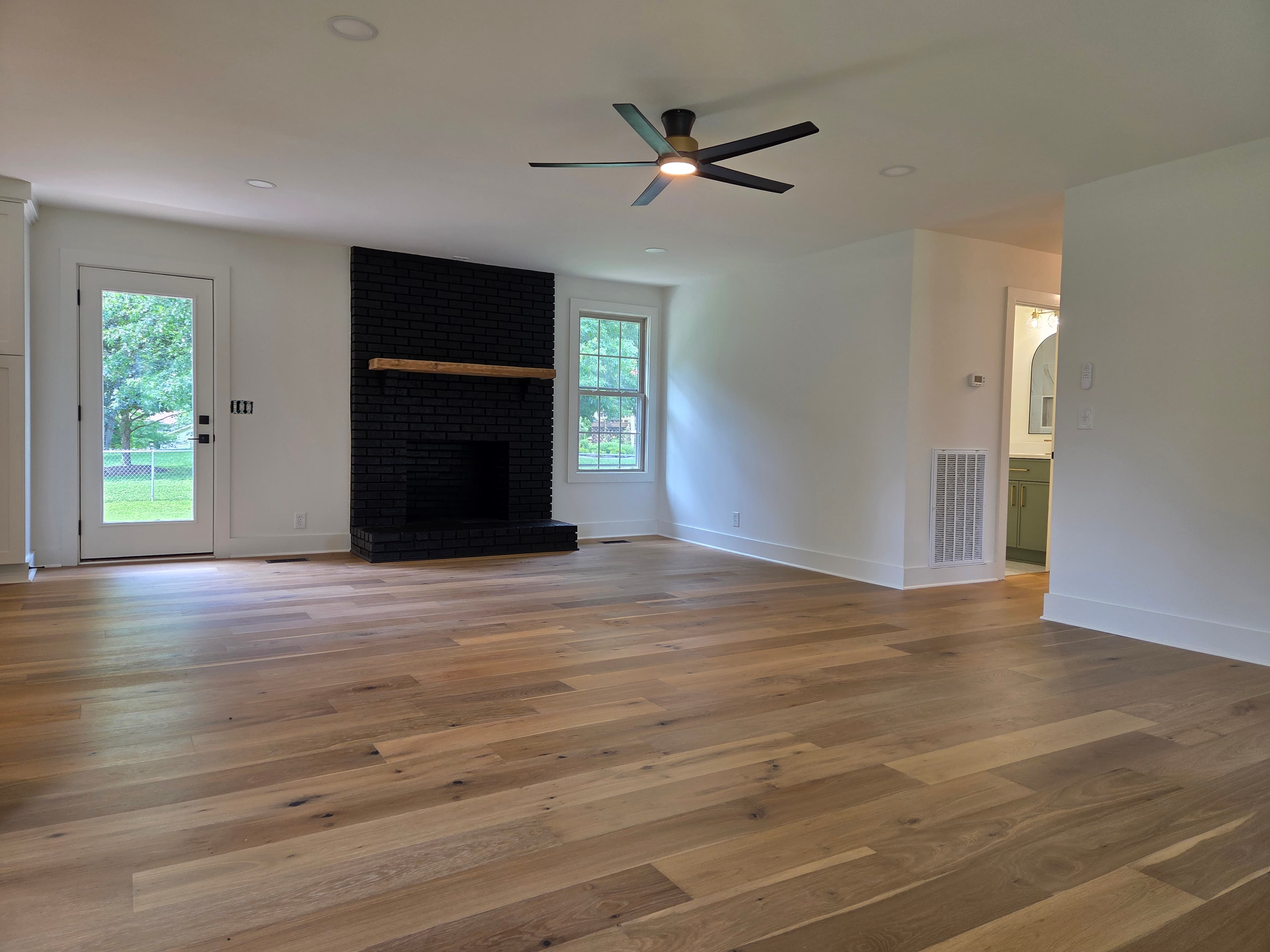
Homeowners planning a substantial remodel or new build in Middle Tennessee usually face the same first decision: hire an architect to draw the project, then bid those drawings to a contractor — or hire a design-build firm that handles both under one contract. Each model has merits. Each model has friction. The right choice depends less on which is "better" in the abstract and more on which fits the specific project, owner, and timeline.
This post lays out how each model actually works, where each one tends to break down, and how to decide which one fits.
The traditional model in plain terms
The traditional model, sometimes called design-bid-build, separates design from construction. The owner contracts with an architect to produce design drawings. Once drawings are complete, the owner takes those drawings to one or more general contractors for bidding. After selecting a builder, the owner enters a separate construction contract.
Two firms. Two contracts. Two scopes of responsibility.
The architect represents the owner during design. The contractor represents themselves during construction. The owner sits between them — coordinating, mediating, and absorbing whatever doesn't fit on either side of the contractual line.
This model has roots in commercial construction, where projects are large enough to absorb its overhead and the parties involved are professional enough to navigate it. On a residential project — particularly a remodel — the model carries friction the homeowner ends up paying for.
The design-build model in plain terms
Design-build puts both design and construction under one firm. The owner has one contract. The team that designs the project also builds it. Trade-offs between design intent and constructibility get resolved internally before they reach the homeowner as a problem.
Pre-construction — drawings, selections, scheduling, pricing, permitting — happens with a builder in the room. Decisions get pressure-tested against constructibility, schedule, and budget at the moment they're made, not six months later when the bids come back high.
The model isn't new. It's how custom homes were built for most of human history before the architect-as-separate-profession model was normalized in the late 19th century. It's also how most large infrastructure projects are delivered today. The residential adoption of the model has lagged, partly because the industry isn't structured to make it easy.
Where the traditional model gets owners in trouble
The most common failure modes in the architect-plus-contractor model:
- Drawings that bid significantly over budget. When the architect designs without a builder in the room, design intent often outpaces what the budget can absorb. Owners discover this only when bids come back. The fix is value engineering — cutting scope from a design that's already drawn — which costs both money and emotional energy.
- Field changes that no one owns. When something doesn't work in the field — and something always doesn't work — the architect blames the contractor and the contractor blames the drawings. The owner pays to resolve the dispute either way.
- Coordination gaps between trades. Drawings rarely show every detail of how mechanical systems route through walls. In design-bid-build, those gaps get caught in the field. In design-build, they get caught in pre-construction.
- Schedule slippage from late selections. Cabinet vendors, tile suppliers, and plumbing fixture distributors have lead times. When selections are made during construction rather than during pre-construction, the schedule waits.
None of these are hypothetical. Any homeowner who's run a substantial project in either model will recognize them.
Where design-build is the wrong fit
Design-build isn't the right answer for every project. Cases where the traditional model fits better:
- Owners who want competitive bidding on a fixed design. Design-bid-build is structurally suited to extracting price competition from drawings. Design-build engages a single firm earlier and forfeits that lever.
- Architecturally distinct, statement-driven projects. A homeowner whose primary motivation is hiring a particular architect for their portfolio and aesthetic should hire that architect directly. Design-build is about process integration, not architectural authorship.
- Projects with complex regulatory, historic, or institutional review. When the design phase requires extended advocacy through historic commissions, design review boards, or non-standard zoning, a dedicated architect with relationships and experience in that arena can be the right call.
- Single-trade or repair-driven work. Roof replacement, water-loss restoration, single-bathroom updates — these don't need design integration. They need a competent specialist trade.
We say all of this because it's true. Not every Middle Tennessee remodel is a fit for our model, and we'd rather a homeowner go to the right contracting structure than the wrong one.
When design-build fits
The projects where design-build clearly outperforms:
- Whole-home remodels
- Substantial additions
- Ground-up custom homes where the owner doesn't have an existing architect relationship
- Kitchen and primary-suite remodels with structural or layout changes
- Projects with a defined budget tolerance and a fixed timeline
These are the projects where alignment between design and construction has the most leverage on outcome. They're also the projects where the homeowner has the most to lose to friction between separate firms.
How to decide
A short heuristic. If your project answers "yes" to most of these, design-build is likely the right model:
- Do you want a single accountable team across design and construction?
- Is your timeline driven by something real (a baby on the way, a real estate window, an aging parent moving in)?
- Do you have a defined budget you'd like the project to fit within, rather than a budget you'll size to whatever the design comes back at?
- Is the project significantly remodel- or builder-driven rather than architecturally statement-driven?
- Do you want pricing to converge during design rather than after it?
If you find yourself answering "no" to most of these, hire an architect first. There's no shame in either path; they're different models for different problems.
Working with Peerless
We run residential design-build engagements across Nashville and Middle Tennessee — kitchens, bathrooms, additions, whole-home remodels, and ground-up custom homes. The model is the same across all of them: one accountable team, planning and construction aligned from the start, decisions made once.
If you have a project in mind and you're trying to figure out which contracting structure fits, send us a project inquiry. We respond within one business day, and the consultation is straightforward — we'll tell you honestly whether design-build is the right model for your project, even if the answer is that it's not. You can also review our FAQ for the questions homeowners ask most often.
Considering a remodel, addition, or new build in Middle Tennessee?
We run residential design-build engagements from concept through completion under one accountable team. Send us a project inquiry and we'll review next steps.
Related Articles
The Design-Build Process: Concept to Completion in Middle Tennessee
How a residential design-build engagement actually runs — from consultation through final delivery — and why alignment between planning and construction matters more than any single stylistic choice.
Kitchen Remodels in Nashville: Timeline, Permits, and What to Expect
A realistic look at how a Nashville kitchen remodel actually runs — from pre-construction through the final punch list — and what the typical timeline looks like for projects in Davidson County.
The Pre-Construction Checklist Before Breaking Ground in Middle Tennessee
A practical guide to everything that should be resolved before construction starts — drawings, selections, permits, schedule, and contract — for Middle Tennessee homeowners.