
The Design-Build Process: Concept to Completion in Middle Tennessee
How a residential design-build engagement actually runs — from consultation through final delivery — and why alignment between planning and construction matters more than any single stylistic choice.
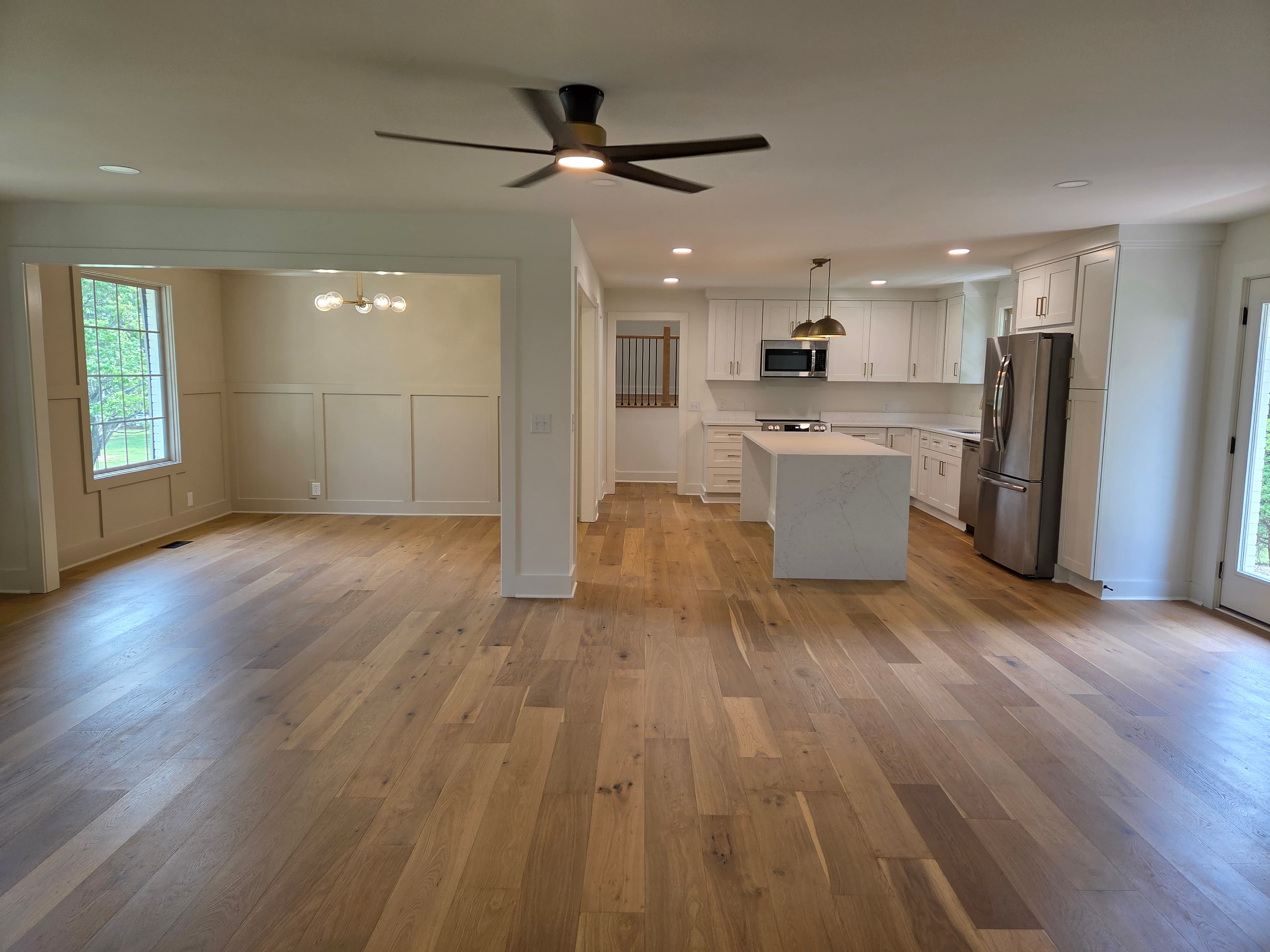
Design-build sounds like a marketing term until you've watched a project run on it. Then it sounds like the only sensible way to organize a residential remodel or custom home in Middle Tennessee. The premise is straightforward: one accountable team manages design, planning, and construction under a single contract — the same team that draws your house also builds it. That structural decision shapes everything downstream.
This post walks through how our engagement actually runs, phase by phase, from the first conversation through the final walkthrough. The goal is to make the model concrete so you can decide whether it fits the project you have in mind.
Why the structure matters before the style
Most homeowners come into a remodel thinking about finishes, fixtures, and floor plans. Those decisions matter. But the structural decision that determines how the project will actually run is the contracting model itself.
Traditional residential construction separates design from construction. An architect produces drawings. The drawings get bid to general contractors. The contractor and architect have no contractual relationship. When something doesn't work in the field — and something always doesn't work — the answer depends on who has time to argue and who's paying for what. The owner sits in the middle of two firms whose incentives don't fully align.
Design-build collapses that structure. One firm carries the contract for both design and construction. Trade-offs between design intent and constructibility get resolved internally before they reach the homeowner as a problem. That's the entire pitch, and it's the source of every downstream advantage.
Phase 01 — Consultation
The first meeting reviews three things: goals, property, and budget. Not in a pitch-deck way. In a "what's actually possible here" way.
Goals means programmatic intent. Are we adding square footage or reorganizing what exists? Is this a kitchen-and-primary-suite remodel or a whole-home renovation? Is there a timeline driving the project — a baby on the way, an aging parent moving in, a real estate window?
Property means the lot, the house, and the jurisdiction. Lots in Brentwood carry different setback and lot-coverage rules than lots in East Nashville. Houses built in the 1980s have different structural realities than houses built in 2010. TheCodes Department in Metro Nashville operates differently than the City of Franklin's permit office.
Budget means a real number, with a real tolerance. We work in ranges in this conversation — the precision comes later. What we need to know is whether the program fits within the spend, or whether we're going to need to cut scope before we cut drawings.
Phase 02 — Planning & Design
Planning and design happen together, and they happen with a builder in the room. That's the part that's structurally different from the traditional model.
In this phase, we develop a layout, a structural approach, and a preliminary scope. We pull lot data and permitting constraints. We check load-bearing walls before drawing through them. We confirm electrical service capacity, HVAC system age, and plumbing supply conditions before specifying anything that depends on them.
Designs that don't work get caught here, not in the field. That sounds obvious; it's why design-build exists. The traditional model catches the same problems six months and a six-figure invoice later.
Phase 03 — Pre-Construction
Pre-construction is the phase most homeowners don't realize they're paying for and don't realize they need. It's also the phase that determines whether construction will run smoothly or stagger.
What happens here:
- Final architectural and structural drawings are produced
- Selections are completed: cabinetry, counters, tile, hardware, lighting, paint, plumbing fixtures
- The construction schedule is built — by trade, by week, by milestone
- Subcontractors price the scope against the final drawings
- The project is converted from a budget range to a fixed-price contract
- Permits are submitted
The reason pre-construction is non-negotiable on substantive remodels and new builds is simple. If you start construction before selections are finalized, the schedule waits on the homeowner instead of the trades. Cabinets have lead times. Tile has lead times. Plumbing fixtures have lead times. Locking selections before breaking ground is what separates a project that finishes on schedule from one that grinds.
Phase 04 — Construction
Construction is where the rest of the industry typically begins. Under design-build, it's where the rest of the industry's most common failures don't happen, because the work that prevents them was already done.
The construction phase runs on a structured schedule. Demolition, framing, mechanicals (electrical, plumbing, HVAC), insulation, drywall, finish trades, paint, cabinetry, counters, tile, plumbing fixtures, lighting, hardware, and final detailing all run in a sequence designed to avoid rework. A cabinet installer doesn't show up before the floor is acclimated. A plumber doesn't trim out before the tile is set. The trades run in order because the schedule was built that way.
Owners get weekly written updates and a single project-management contact. Selections, change orders (when they happen), and milestone walkthroughs are documented rather than tracked through ad-hoc texts. Communication isn't a hope; it's a system.
For the conditions specific to your jurisdiction, see our local pages for Nashville, Franklin, and Brentwood.
Phase 05 — Completion
Completion is the punch list, the walkthrough, and the closeout package. Punch is detailed work — touch-up paint, hardware adjustments, final caulking, last-pass cleaning. Walkthrough is a structured run-through of the home with the homeowner, documenting any items the team will return to address.
The closeout package includes manufacturer warranties, manuals, paint formulas, fixture model numbers, and our one-year workmanship warranty. These details matter ten years later when you replace a faucet cartridge or repaint a hallway.
Working with Peerless
A design-build engagement isn't the right answer for every project. Single-trade jobs, insurance restoration, and pure repair work don't fit the model. But for whole-home remodels, additions, ground-up custom homes, and substantial kitchen and primary-suite remodels — the projects where alignment between planning and construction actually pays off — design-build is the structure we'd recommend before we'd recommend any specific architect, builder, or finish.
If you have a project in mind, send us an inquiry. We respond within one business day with next steps. You can also review the services page for the full scope of what we run, or the FAQ for the questions homeowners ask most often.
Considering a remodel, addition, or new build in Middle Tennessee?
We run residential design-build engagements from concept through completion under one accountable team. Send us a project inquiry and we'll review next steps.
Related Articles
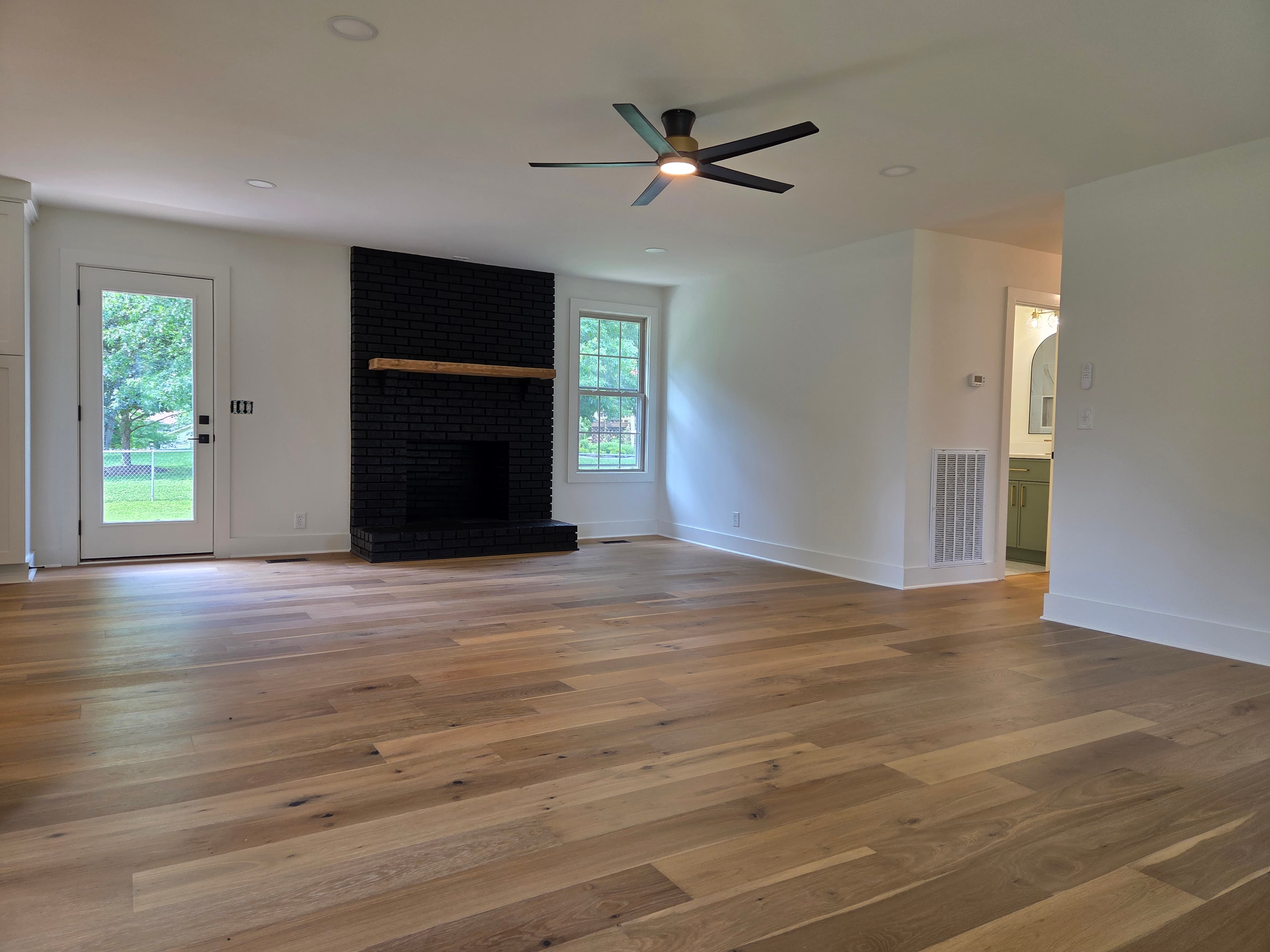
Design-Build vs. Architect-Plus-Contractor: Which Model Fits Your Tennessee Project
A practical comparison of the two most common ways to deliver a residential remodel or custom home — and how to decide which model fits the project you have in mind in Middle Tennessee.
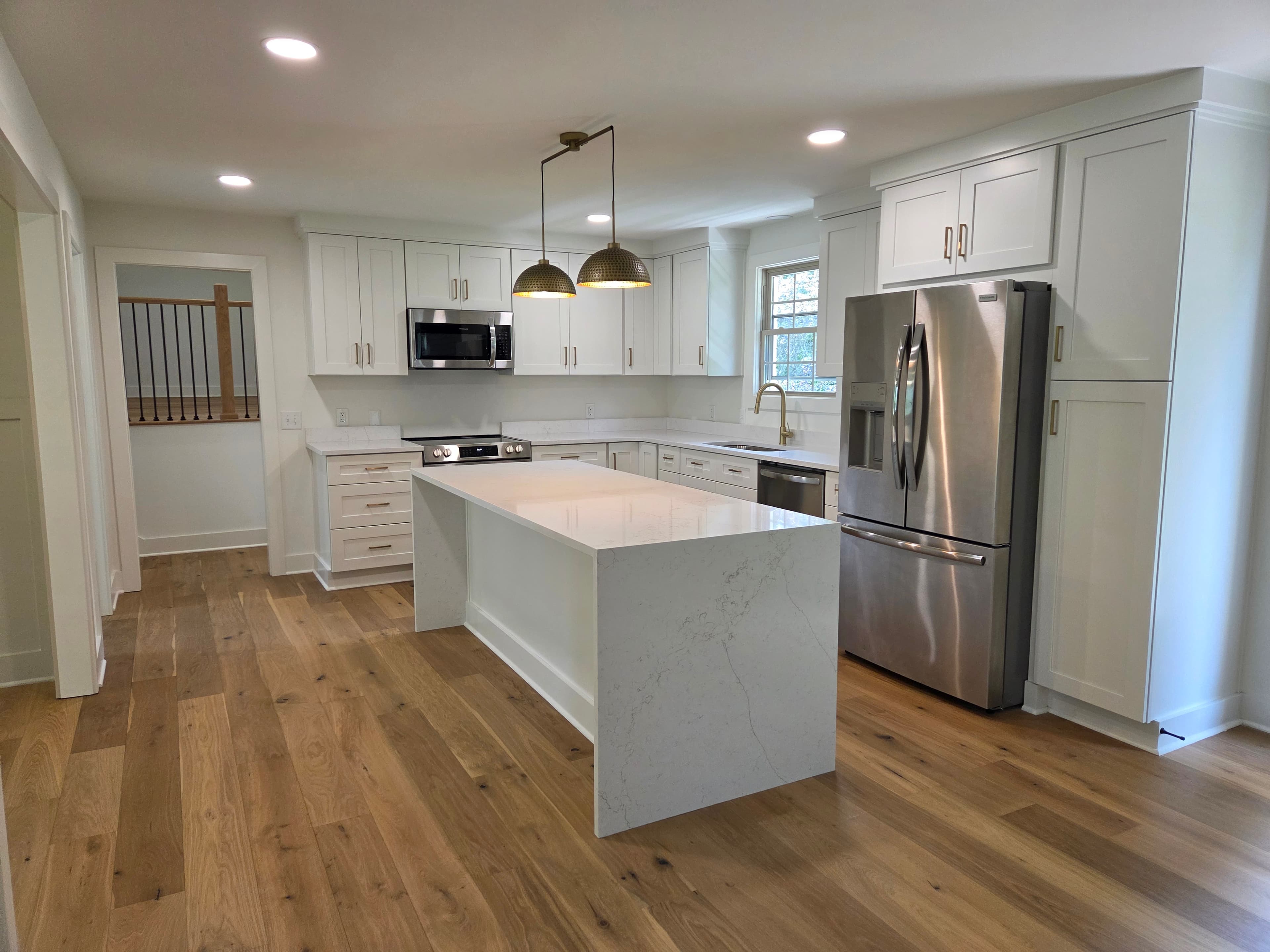
Kitchen Remodels in Nashville: Timeline, Permits, and What to Expect
A realistic look at how a Nashville kitchen remodel actually runs — from pre-construction through the final punch list — and what the typical timeline looks like for projects in Davidson County.
The Pre-Construction Checklist Before Breaking Ground in Middle Tennessee
A practical guide to everything that should be resolved before construction starts — drawings, selections, permits, schedule, and contract — for Middle Tennessee homeowners.